
Unmissable Things to do in Death Valley National Park (+ Map)
Planning a trip through Death Valley? Visiting this blisteringly hot stretch of desert should be at the very top of your bucket list.
Death Valley sprawls across Eastern California and is known for being one of the hottest, driest, and lowest places on Earth. This arid spot in the Mojave Desert happens to be one of our favourite places to explore in the USA.
Whether you fancy taking a jaunt from the city of sin, or driving yourself through the desert on a self-guided tour, these are the top things to do in Death Valley.
Best Things to Do in Death Valley
Take a Day Trip from Vegas
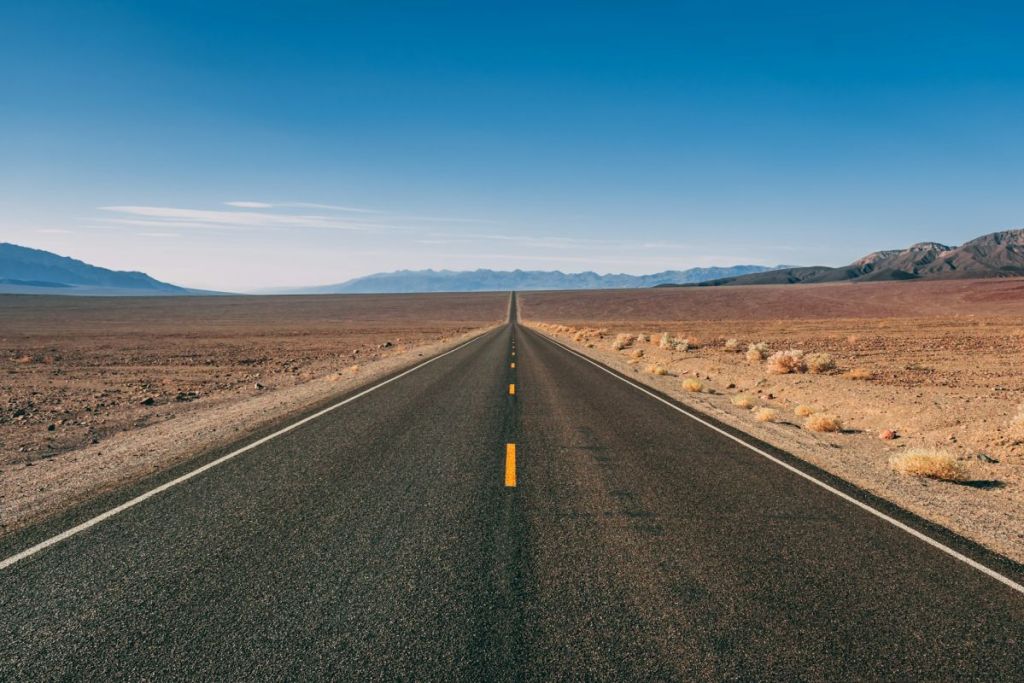
If you don’t quite fancy the commitment of driving yourself all the way through Death Valley, why not take a day trip from Las Vegas? You’ll get to visit most of the sites we mention in this guide including Furnace Point and Badwater. You also visit the ghost town, Rhyolite, in which gold was found in 1904.
Excitingly, this tour also includes a stop at the remote Area 51 Alien Centre. Keep your eyes peeled for top secret military aircraft training nearby.
Head to Badwater Basin
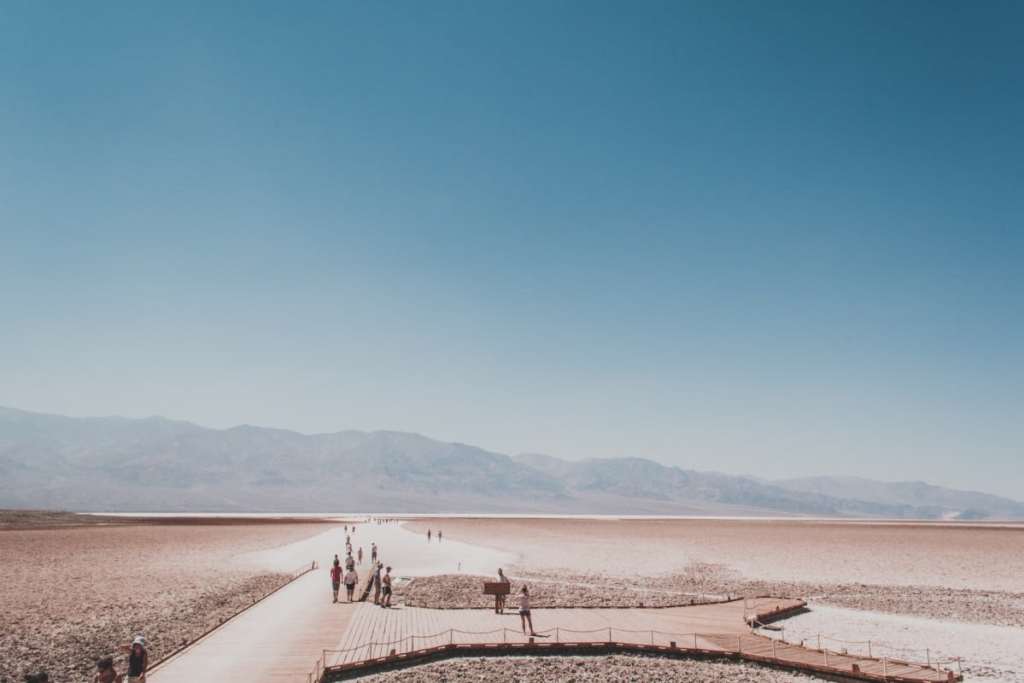
Looking something akin to a mirage, Badwater Basin is a small salt pond that sits 280 feet below sea level – which means that it is the lowest point in North America.
Why is it called Badwater? Well, that would be because it is surrounded by salt, making the water undrinkable. Make sure you hunt out the sign nearby to snap a photo.
Take it All In From Dante’s View
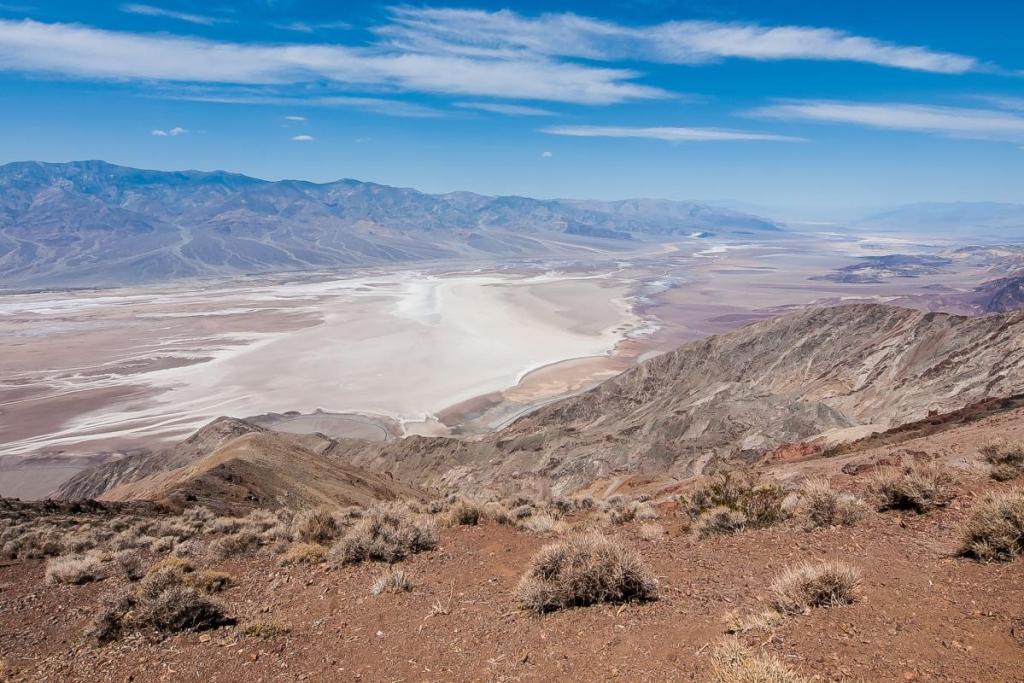
We know you’re going to be absolutely sweltering as you drive through Death Valley, but believe us when we say that it’s worth making a detour to Dante’s View for incredible views over the Badwater area and the rest of the dry valley.
You can pull up in the parking lot and from there it’s just a short hike up to where you’ll get unspoilt views of the region. Make sure to take plenty of water with you and wear your comfiest shoes – you’ll thank us.
Go Sandboarding on the Mesquite Sand Dunes
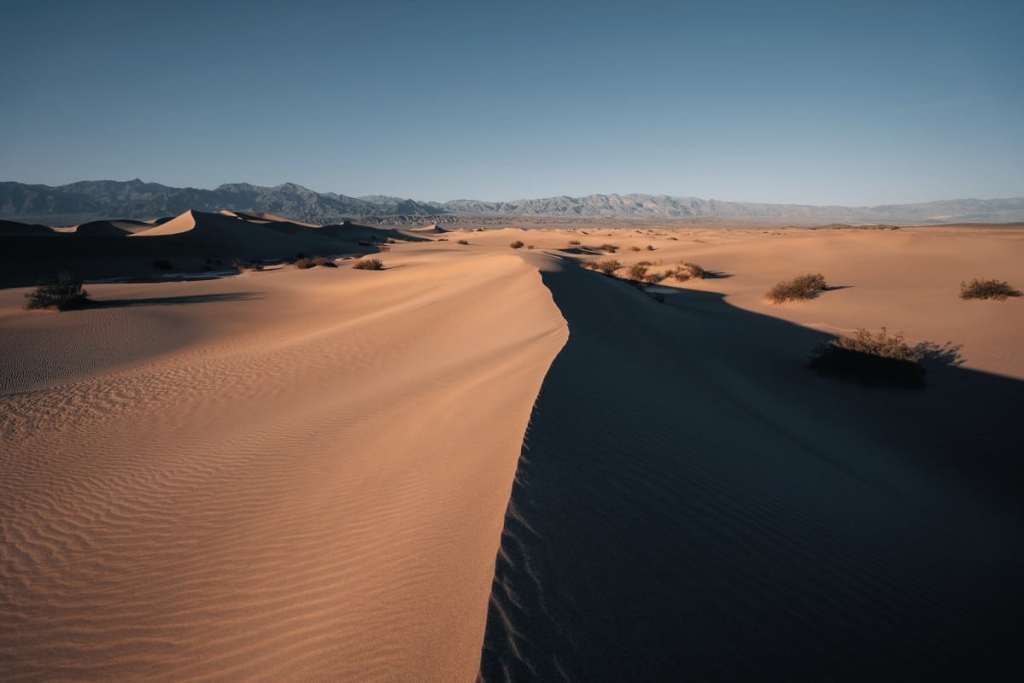
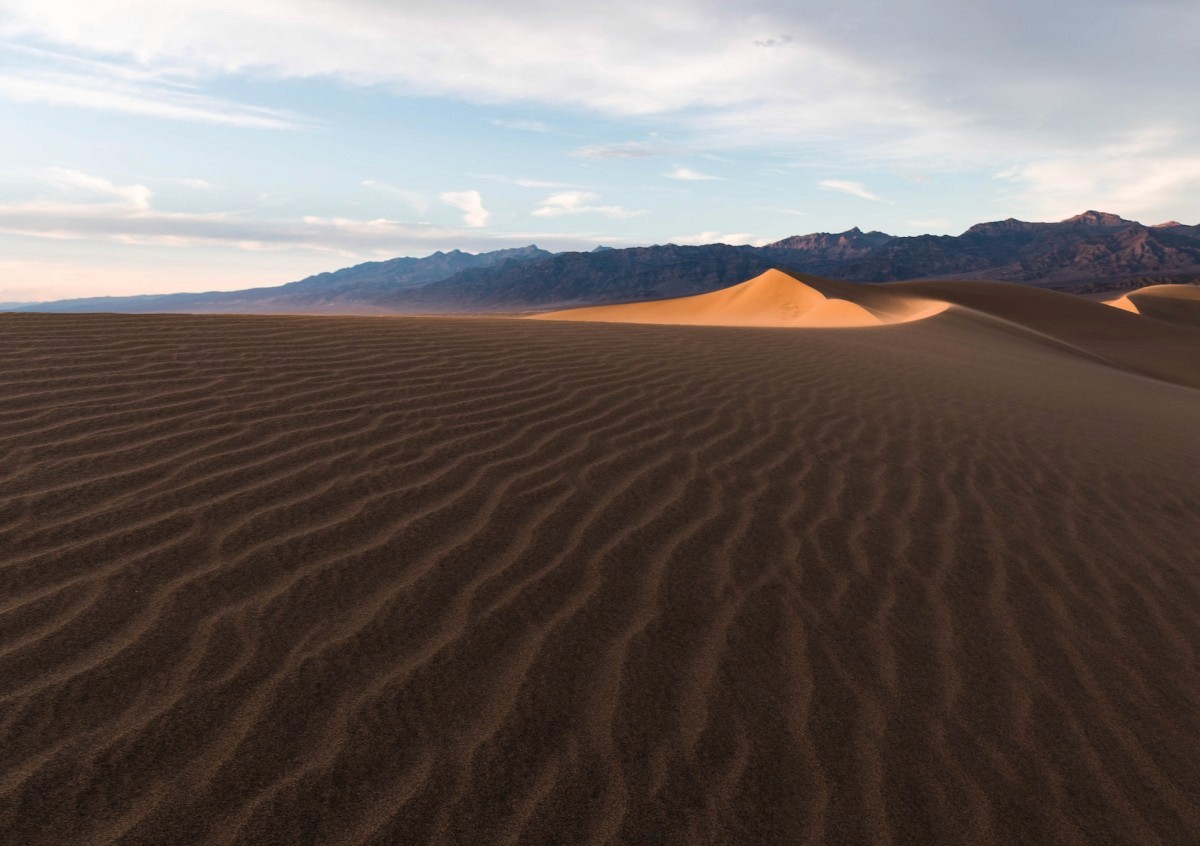
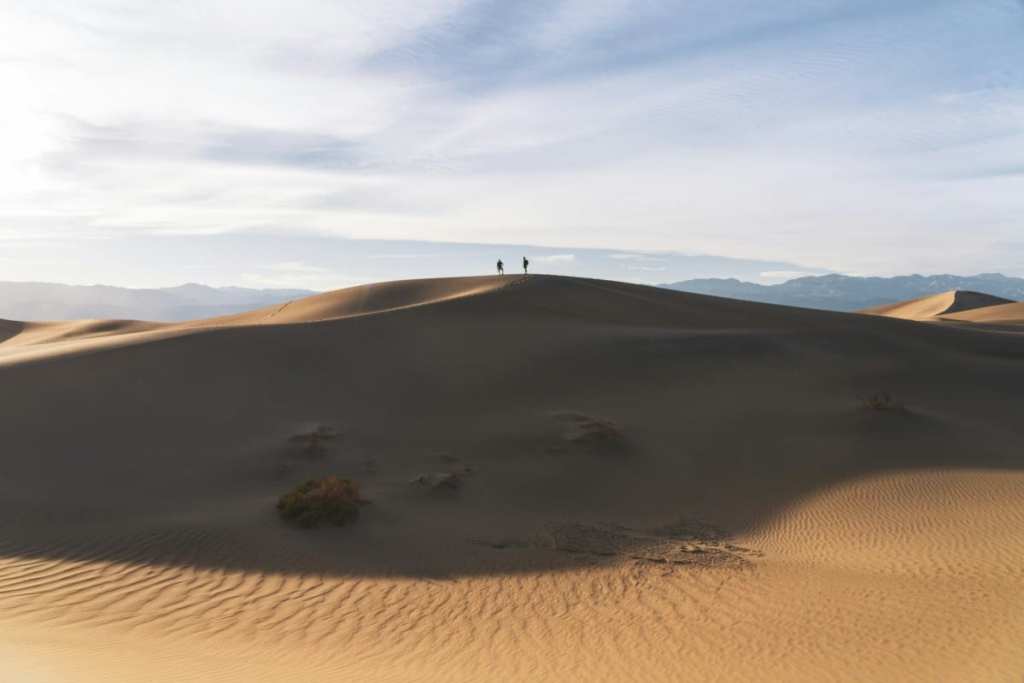
Whilst Death Valley is pretty barren, it’s the highlights along the way that you want to stop off at. The Mesquite Sand Dunes might just be our favourite – picturesque mountains of sand that make for incredible photos.
If you can, time your visit for sunset when the orange hues illuminate the detailed ripples. This is also a great spot for sandboarding if you’re feeling brave. We’re definitely not.
Check Out Furnace Creek Visitor Centre (And See the Thermometer)
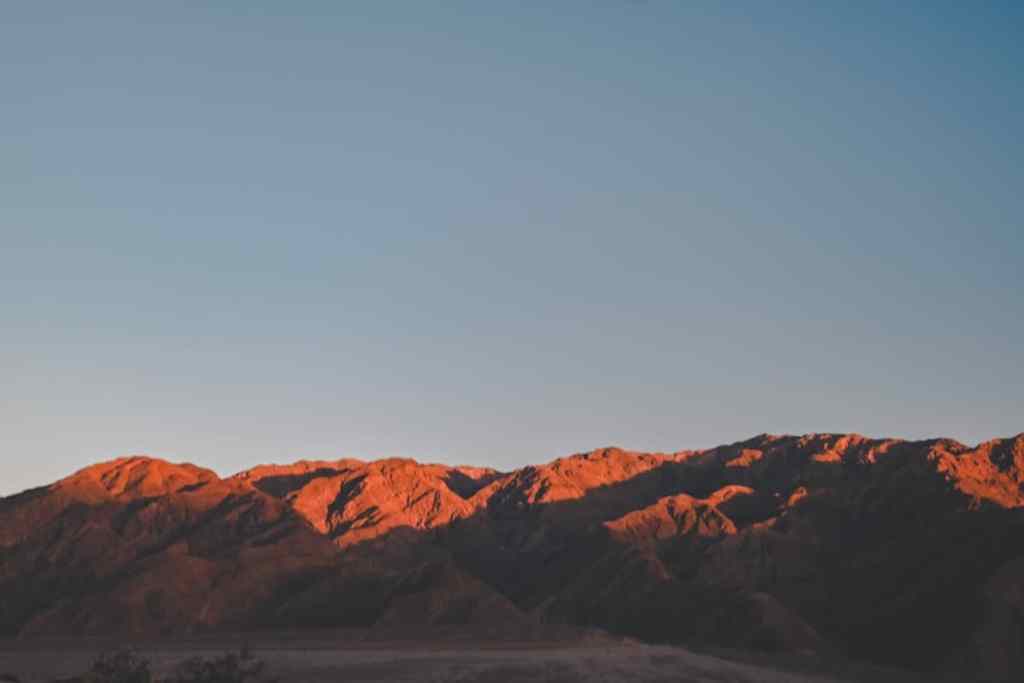
Furnace Creek is where the hottest recorded temperature on earth was found. A whopping 56.7 °C on July 10, 1913, in case you were wondering.
There’s now a visitor centre which plays short films and has plenty of resources to explain the region’s history. This is also where you can snap a photo of the thermometer and pick up your stamp for the National Parks passport book.
Explore the Devil’s Golf Course
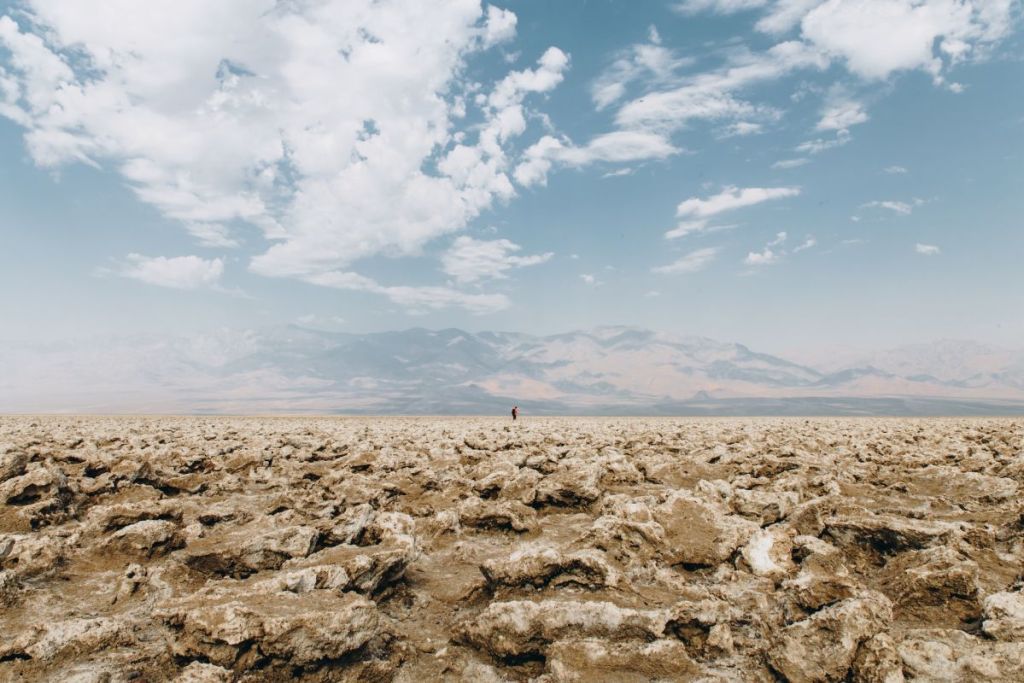
If you’re looking for one of the more unusual things to do in Death Valley, check out the Devil’s Golf Course. It’s one of the most eerie sights in the park; a series of jagged salt formations that look otherworldly.
The salt pan was created over thousands of years as saltwater from ancient lakes evaporated, leaving behind a crust of crystallised salt that was then shaped by wind and rain.
How did it get its name? Well, the sharp edges of the salt crystals make the terrain almost impossible to walk on. Only the devil could play golf on such spiky terrain. If you want to check it out for yourself, you can head along the marked trail or step inside the viewing platform. Just make sure you stay on the designated paths to avoid damaging the fragile salt formations.
Wind Along Artists Drive
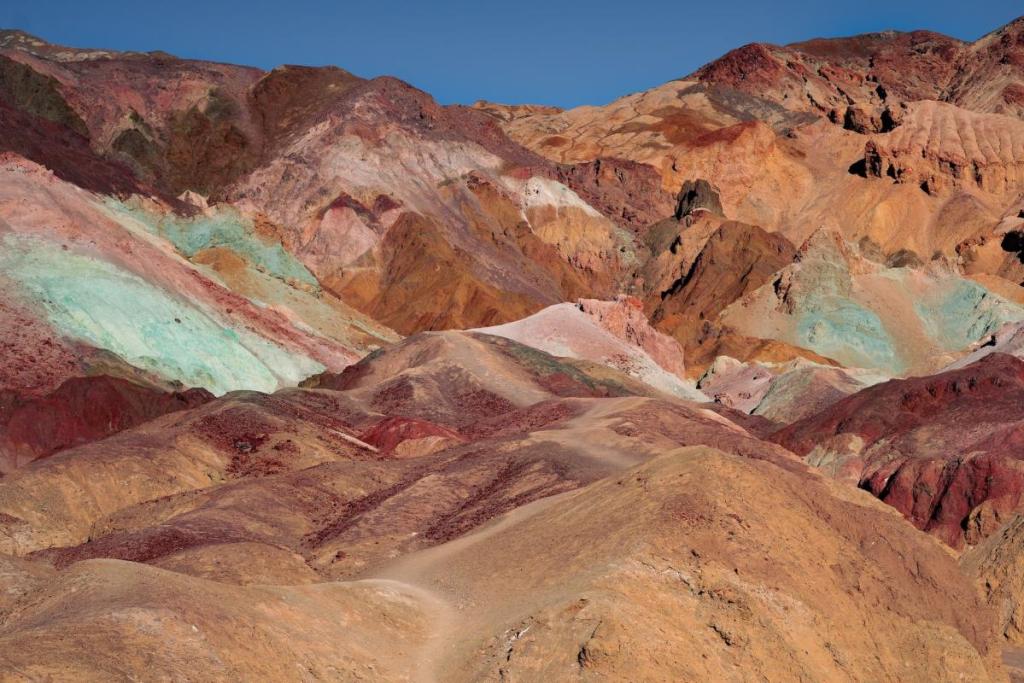
Next up is one of our favourite ways to explore Death Valley… from the comfort of a car with AC. If you don’t fancy hiking in the blistering heat, Artists Drive is ideal.
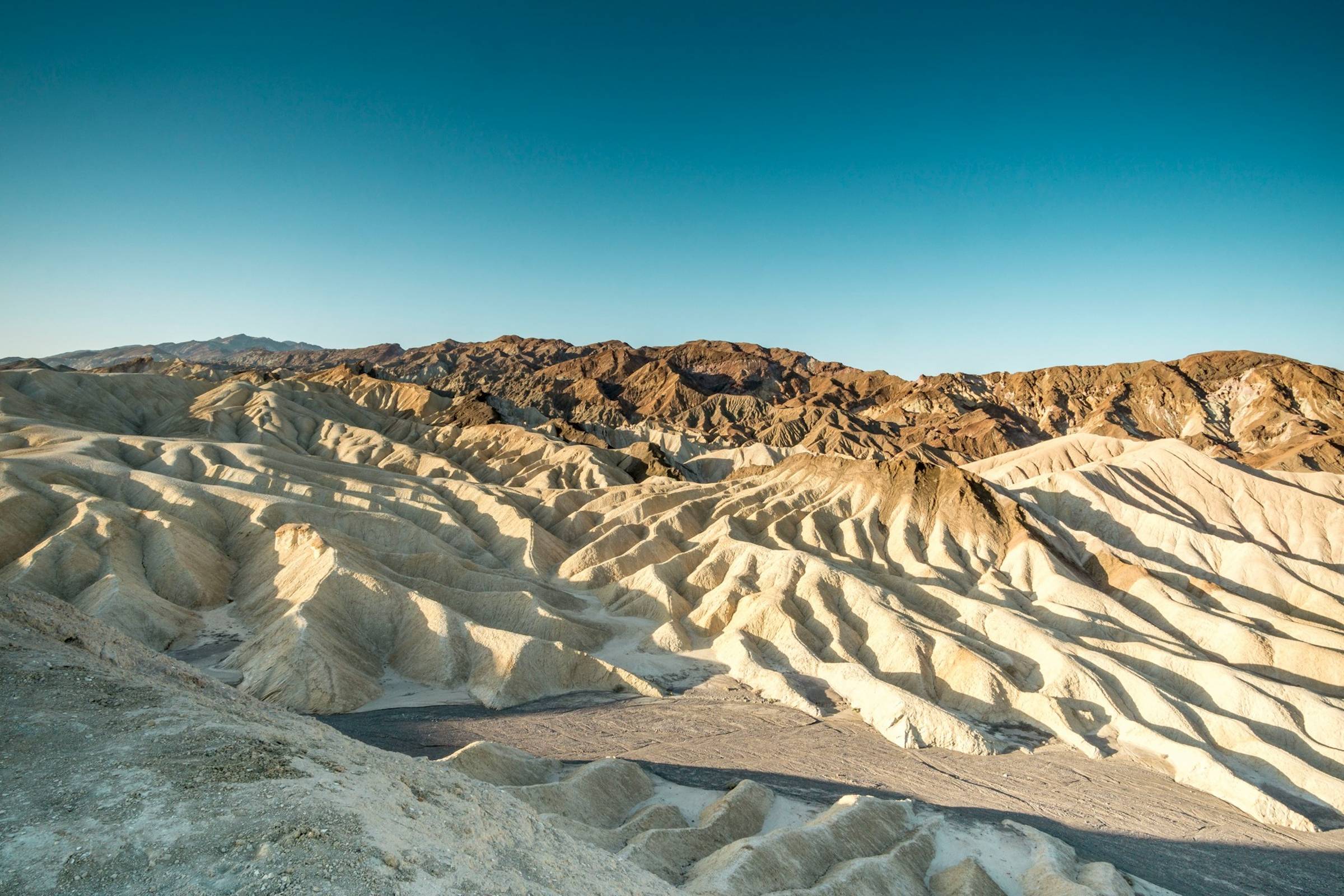
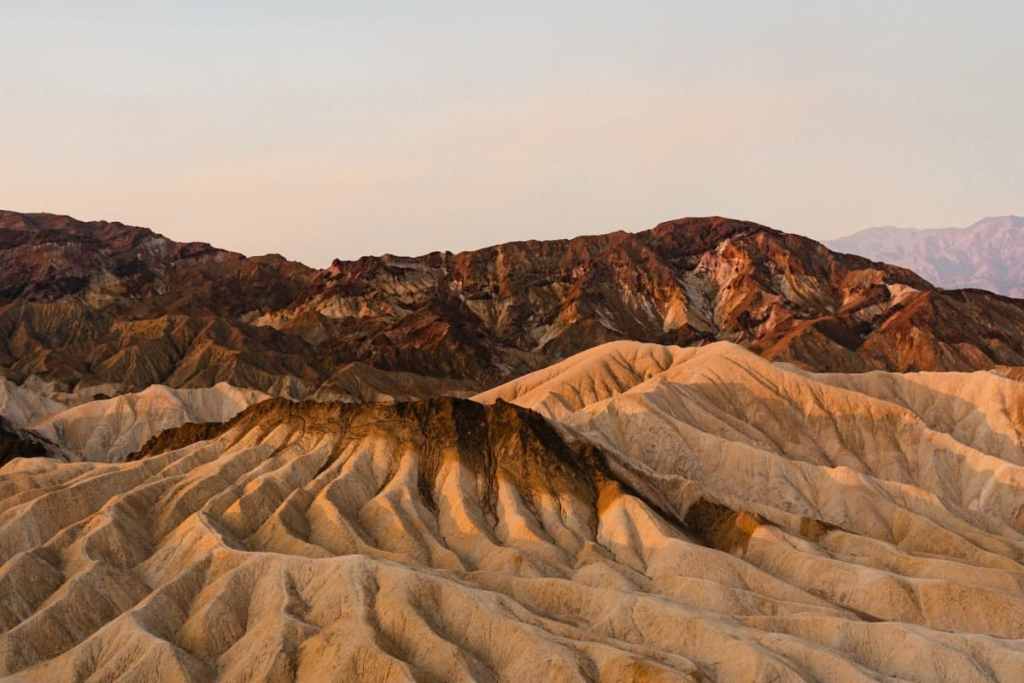
This is the most popular scenic drive in the park, where a nine mile (14.5 km) paved road winds through a kaleidoscope of eroded hills. There are several pullouts where you can stop and enjoy the view or take short walks to get a closer look.
Artists Palette is the highlight of the drive, if you ask us. This is a section of the drive where the hills are vividly coloured in hues of pink, red, yellow, and green. This is caused by the oxidation of various metals within the rock, such as iron and manganese.
Snap a Photo of the Eureka Dunes
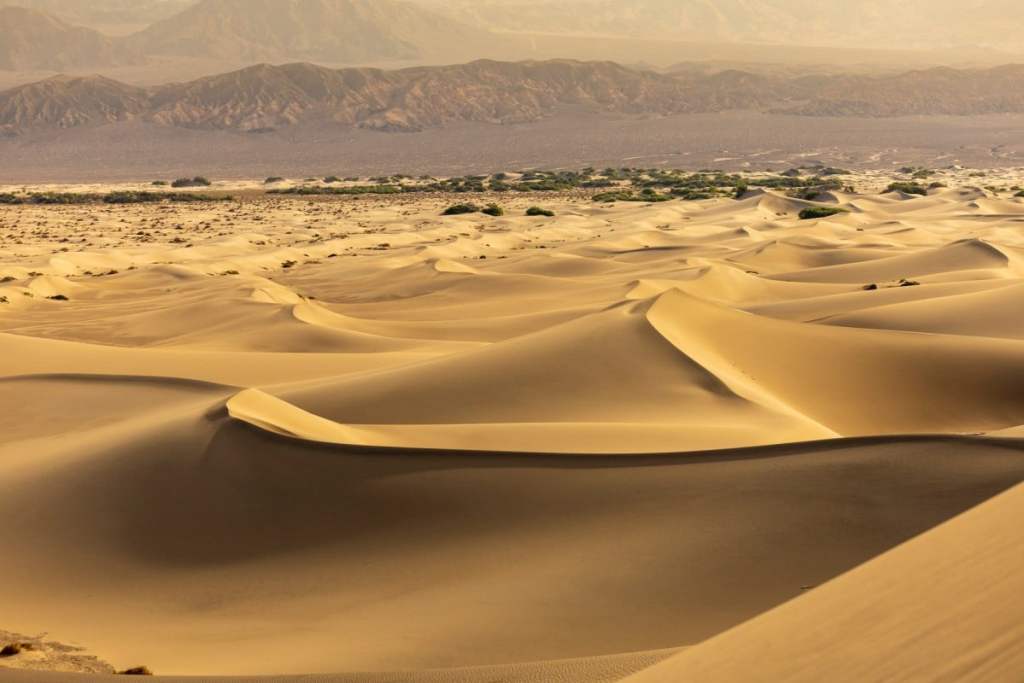
Situated in the remote northern region of Death Valley National Park, Eureka Dunes is a magnificent natural wonder. These massive sand dunes soar to heights of 680 feet, making them the tallest in California.
The dunes stand in stark contrast to the surrounding mountain ranges. The panoramic views from the top of them are pretty impressive.
Visit Telescope Peak
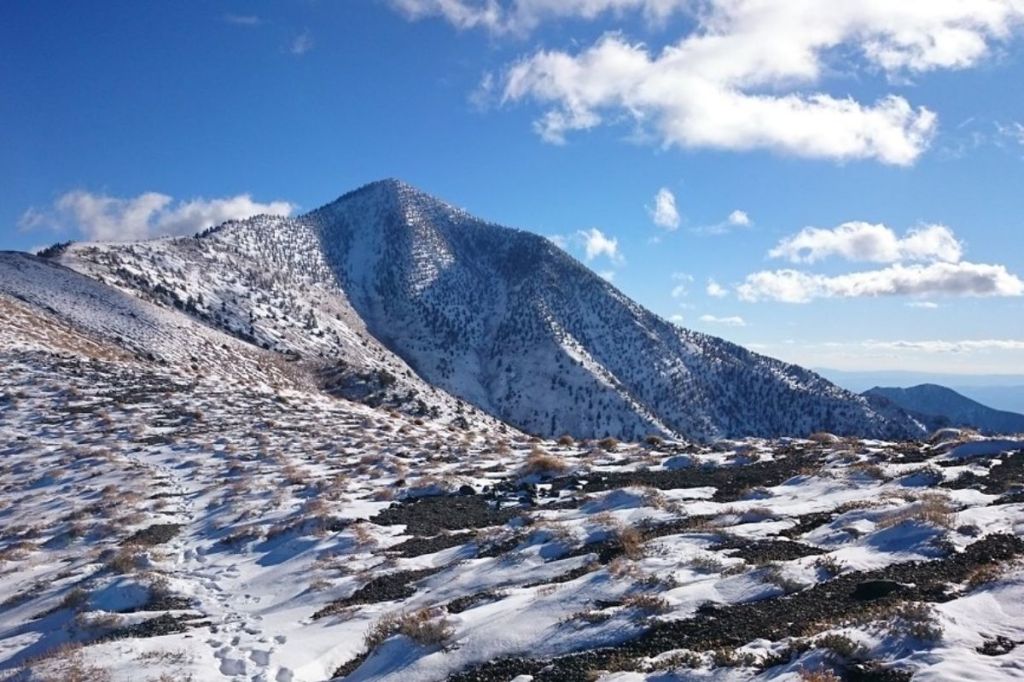
Why not swing by the highest peak in Death Valley while you’re exploring the national park? That’s Telescope Peak, by the way. Reaching a whopping elevation of 11,049 feet, the peak forms part of the Panamint Range, sitting along the western boundary of the park.
There’s plenty to do here, but we recommend you hike to the summit of Telescope Peak for a challenging but equally rewarding experience. On a clear day, the views from the top are expansive and offer a glimpse of the surrounding mountain ranges and desert landscape.
Take a Tour of Scotty’s Castle
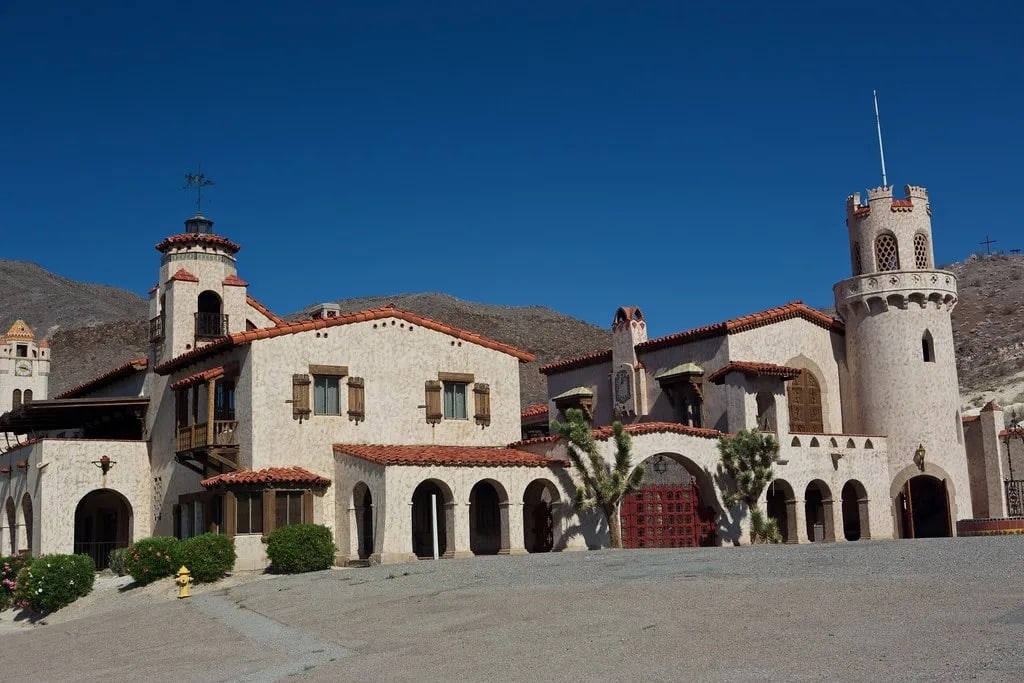
A criminally underrated Death Valley landmark is Scotty’s Castle – a historic mansion located in the northern part of the park. The mansion was built in the 1920s by Chicago-born millionaire Albert Johnson, and was designed to emulate a luxurious Spanish villa.
Ok, so it’s not really a castle – but where does the name Scotty come from? It’s a funny story. The castle is named after local man Walter Scott, who claimed to have discovered a massive gold mine in the area.
Though the mine turned out to be a hoax (boo), Scotty became friends with Johnson and often visited the castle. Today, you can tour the castle and learn about its unique history, including its use as a filming location for Hollywood movies.
Note: Scotty’s Castle is currently closed – check back here for updates.
Marvel at the Death Valley Superbloom
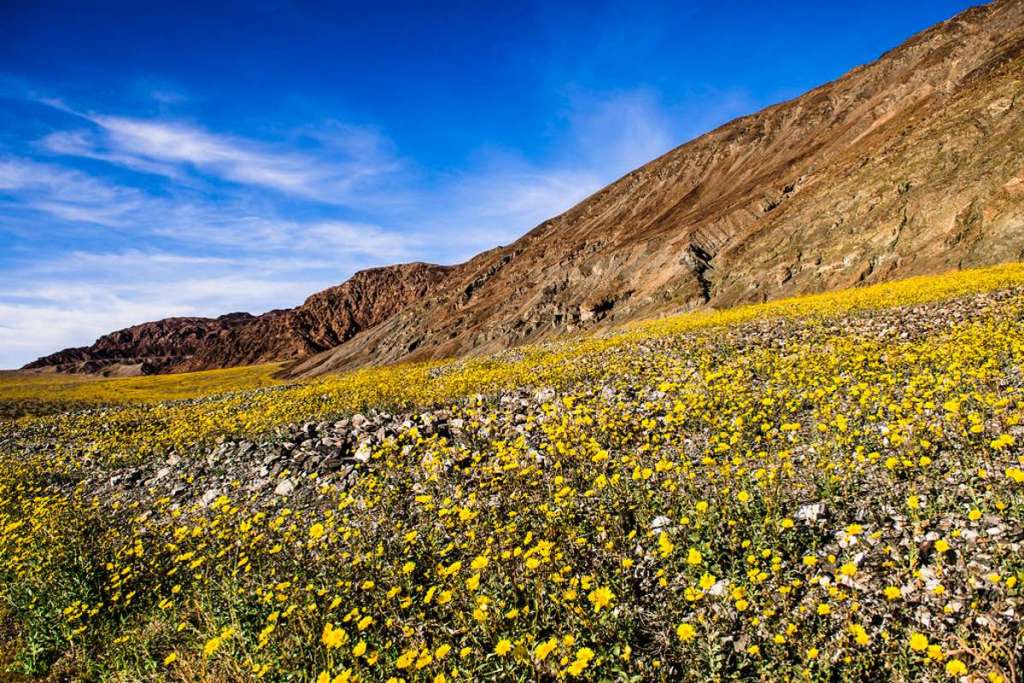
We hate to be the bearers of bad news, but while you might see a few flowers in spring, spotting Death Valley’s miraculous Superbloom (where the desert is blanketed in pretty blooms) is VERY RARE. That said, if the previous winter has been particularly miserable and rainy, it’s far more likely to happen the following spring – around late March.
The superbloom transforms the usually barren desert into a vibrant display of flowers, including species like desert gold, evening primrose, and sand verbena. The last significant superbloom in Death Valley occurred in 2016, drawing visitors from around the world.
How to Get to Death Valley
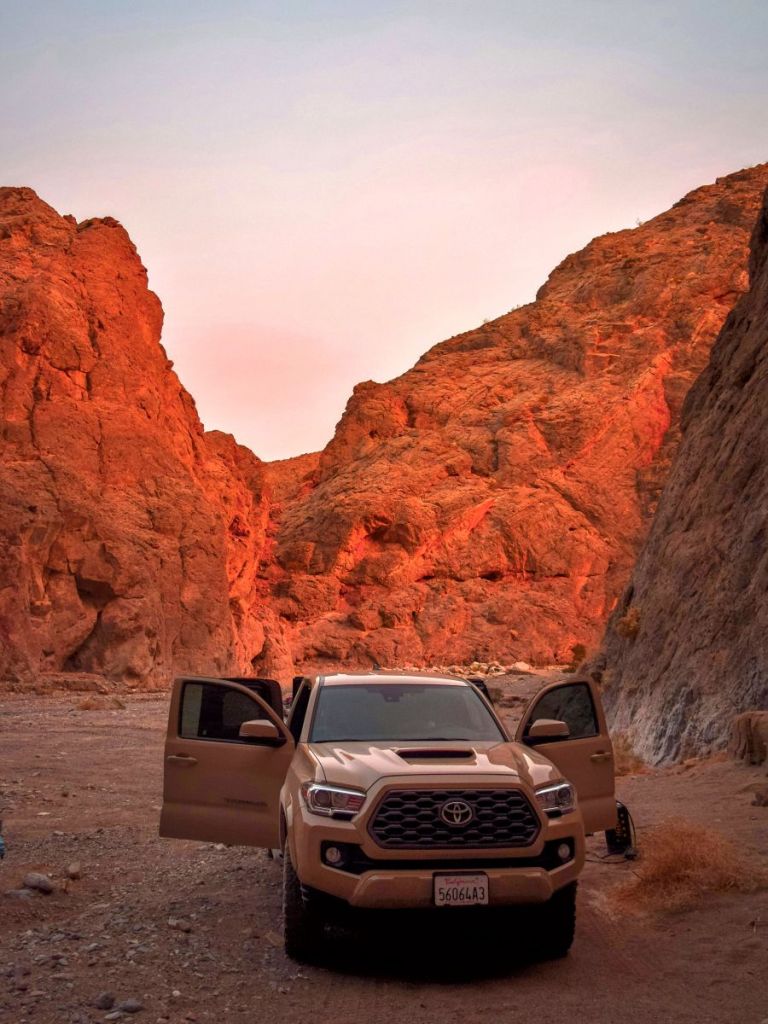
As we’ve mentioned, one of the best ways to visit Death Valley is via a tour from Las Vegas. It’s around two hours from Vegas and five from Los Angeles. Public transportation to Death Valley is very limited, so we recommend renting a car and heading out on a road trip.
Where to Stay in Death Valley
If you’re spending a few days in Death Valley, choosing the right place to stay can make all the difference in your desert adventure. If you’re splurging, there are a couple of beautiful hotels near Furnace Creek – we love The Ranch at Death Valley. For those with a tighter budget, there are some wallet-friendly spots to bed down nearby in Pahrump.
Best Time to Visit Death Valley
Without a doubt, spring is the best time to visit. Not only is the weather far more tolerable than in the middle of summer, but you might spot a couple of wildflowers. We love visiting in March, April, and May.
How Long to Spend in Death Valley
As we’ve mentioned, Death Valley makes for a great day trip from Vegas or its surrounding towns. However, to explore all its landmarks in full, you would need around 3 days in the park. The speed limit on many roads is around 25 mph (unless otherwise specified) so make sure you take your time and enjoy exploring the park.
