
9 Best Activities in Triglav National Park: A Complete Guide (+ Map)
Filled with incredible views and rewarding hikes, it’s time to discover Slovenia’s crown jewel: Triglav National Park.
It’s no secret that we love Slovenia’s postcard-worthy landscapes. The alpine meadows and limestone cliffs featured in this Triglav National Park guide illustrate exactly why Slovenia is a playground for the adventurous.
From the towering summit of Mount Triglav to the tranquil shores of Lake Bohinj, every vista promises awe-inspiring panoramas. Get ready to journey into the heart of Slovenia’s wilderness in this guide to Triglav National Park.
Best Things to Do in Triglav National Park
Take in the Views Along the Vršič Pass
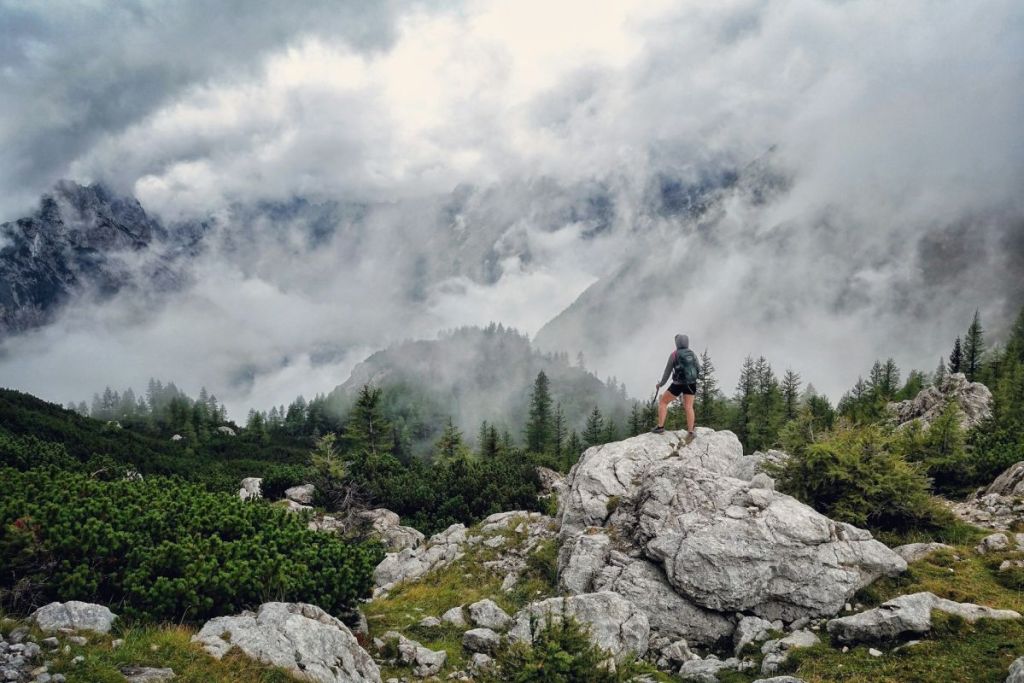
Driving along the Vršič Pass offers captivating views of Triglav National Park. While some people dare to conquer the mountainous terrain on bicycles, the rugged slopes make for a challenging ride.
The entire route passes through Italy and Austria, but we recommend you travel along the section from Bovec to Kranjska Gora, which takes you right into the heart of Triglav. Covering approximately 45 kilometres, this stretch typically takes a little over an hour to navigate by car minus any pit stops.
Go White Water Rafting on the Sava Dolinka River
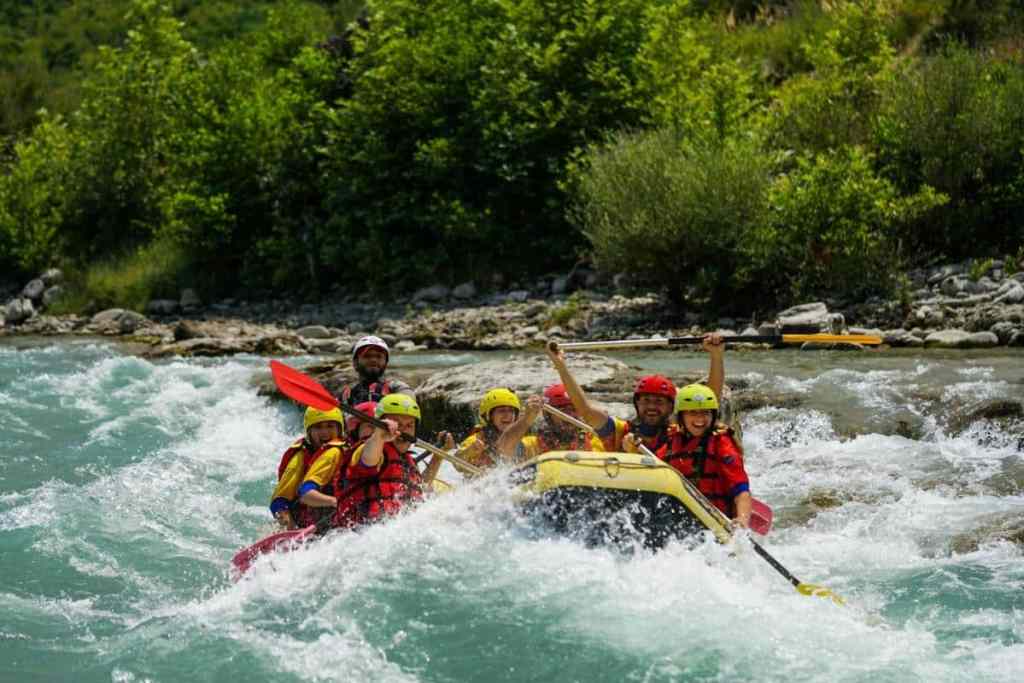
The area around Triglav National Park (and nearby Lake Bled) is abuzz with water activities. But our favourite of the bunch might just be white water rafting on the Sava Dolinka, where you can spend the best part of an afternoon whipping past the beautiful surroundings.
The rapids you’ll face along the Sava Dolinka River are Class II, which means that this river expedition is fairly leisurely – ideal if you’re a newbie. That said, this activity still offers plenty of thrilling moments.
Trek to the Summit of Mount Triglav
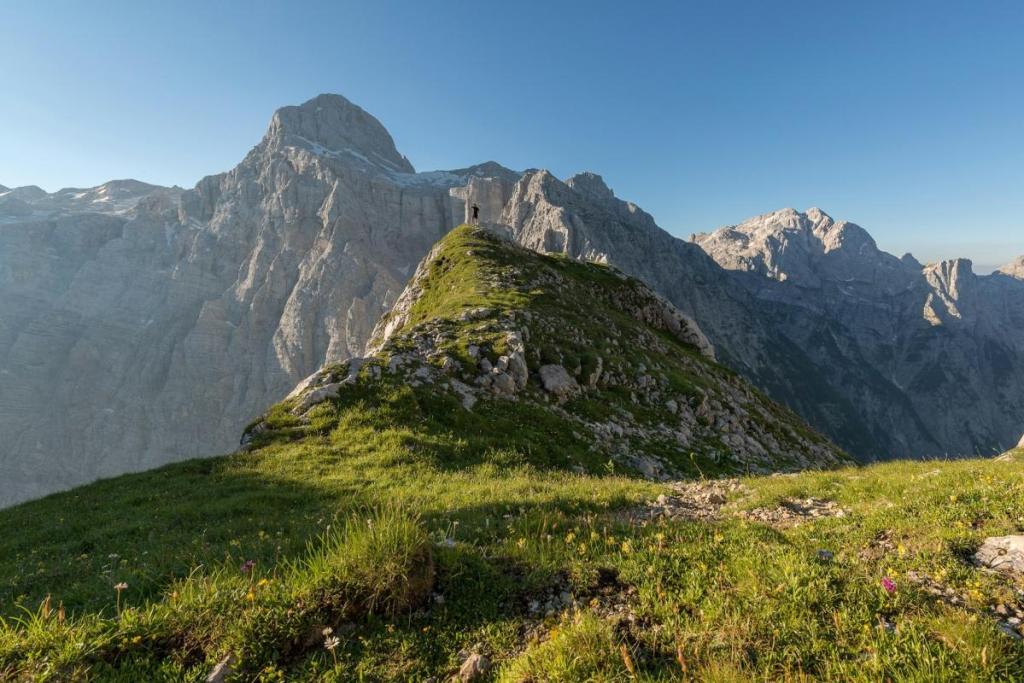
We don’t mean to be dramatic… but summiting Mount Triglav, AKA the highest peak in the Julian Alps, is the pinnacle Slovenian experience. There’s no better way to immerse yourself in the sheer rugged beauty of the national park and test your physical fitness.
The climb takes around two days and is considered an intermediate route. While the path itself is not too challenging, climbers will need to be aware of steep drops and exposed sections. If you’re planning to summit Mount Triglav, we highly urge you to book a guided tour.
Hike in The Julian Alps
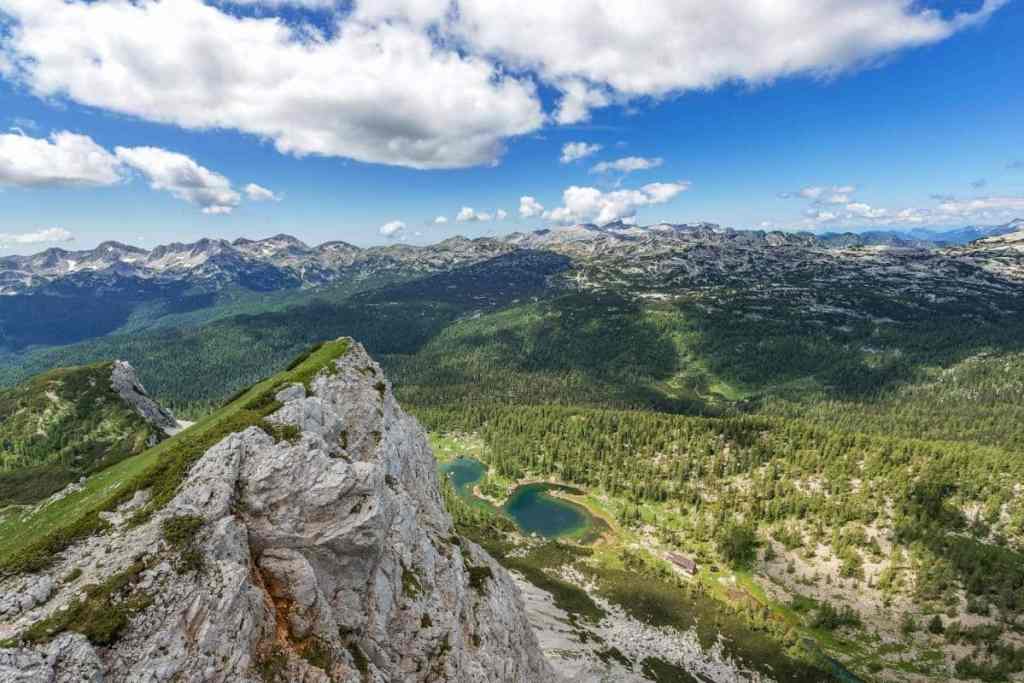
There are so many hikes in and around Triglav National Park that you could easily spend a couple of weeks traversing its many routes. In fact, narrowing down the best hikes is a difficult task, but we have a couple of favourites.
The Soča trail is an awe-inspiring 25km route that’s ideal for more experienced hikers – rustic bridges span across turquoise waters with the striking Julian Alps as a backdrop. Likewise, the Seven Lakes Valley and Mostnica Gorge trails are equally as impressive though slightly shorter for those seeking a quick afternoon hike.
Climb the Via Ferrata Mojstrana
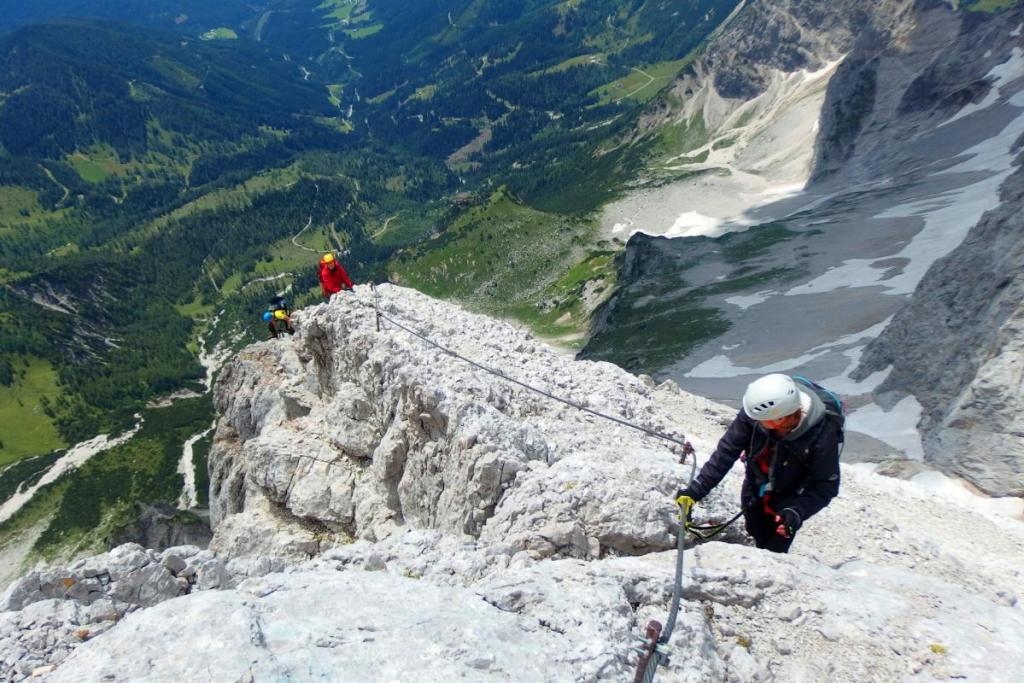
Nestled amidst the stunning landscapes of Slovenia, the Via Ferrata Mojstrana offers an exhilarating opportunity for adventurers. This route is particularly ideal for those venturing into the world of via ferrata climbing for the first time.
Again, we recommend tackling the trail with a guide who will have all the equipment you need. That said, this via ferrata’s well-maintained paths and strategically placed iron rungs provide a secure yet exhilarating ascent with stellar views.
Go Canyoning in Fratarica Canyon
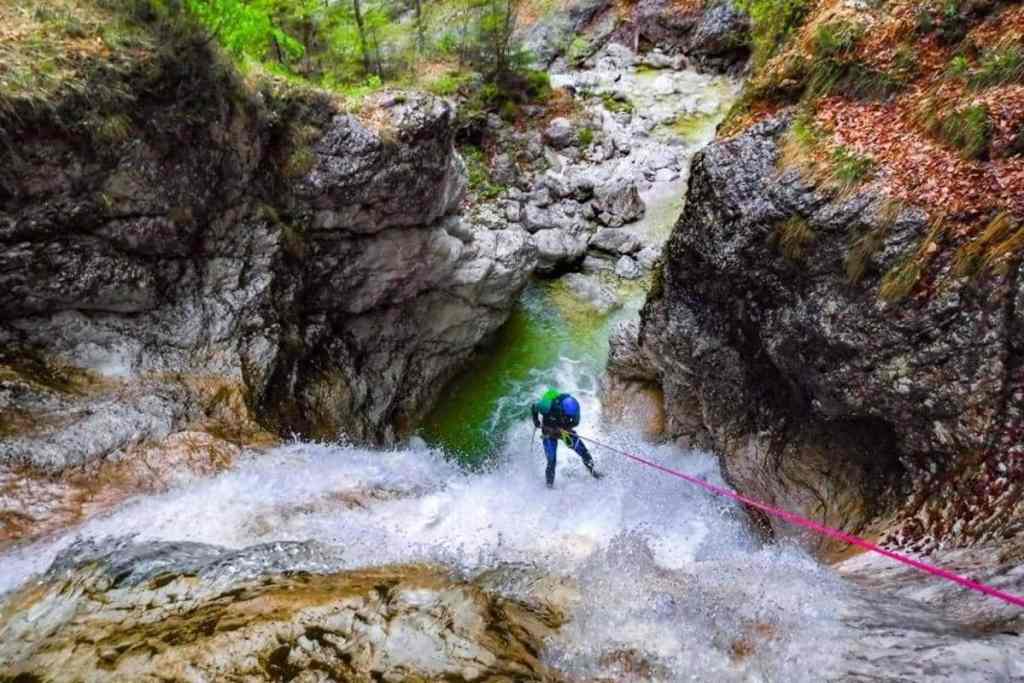
Image credit: Get Your Guide
Canyoning is another unmissable activity in Triglav National Park – and Fratarica Canyon is the best place to go. Known for its near-perfect water conditions, this destination highlights why Slovenia is a criminally underrated spot for adventure lovers.
Navigate its intricate network of waterfalls, slides, and hidden corners on an easy hike before rappelling down a 48m high parabola waterfall. Crystal clear pools and even more stunning beauty awaits you at the bottom.
Soar Through Soča Valley on Ziplines
Did you know that the biggest zipline park in Europe is hidden away near Triglav National Park? We didn’t either, but it turns out that Canyon Učja is home to a knee-wobbling series of ziplines.
With 11 wires ranging from 250 to 600 metres long, this is where to head for an adrenaline-inducing experience high above the River Učja. The starting point is in Soča, a ten minute drive from the border of Triglav National Park.
Kayak On Emerald Waters
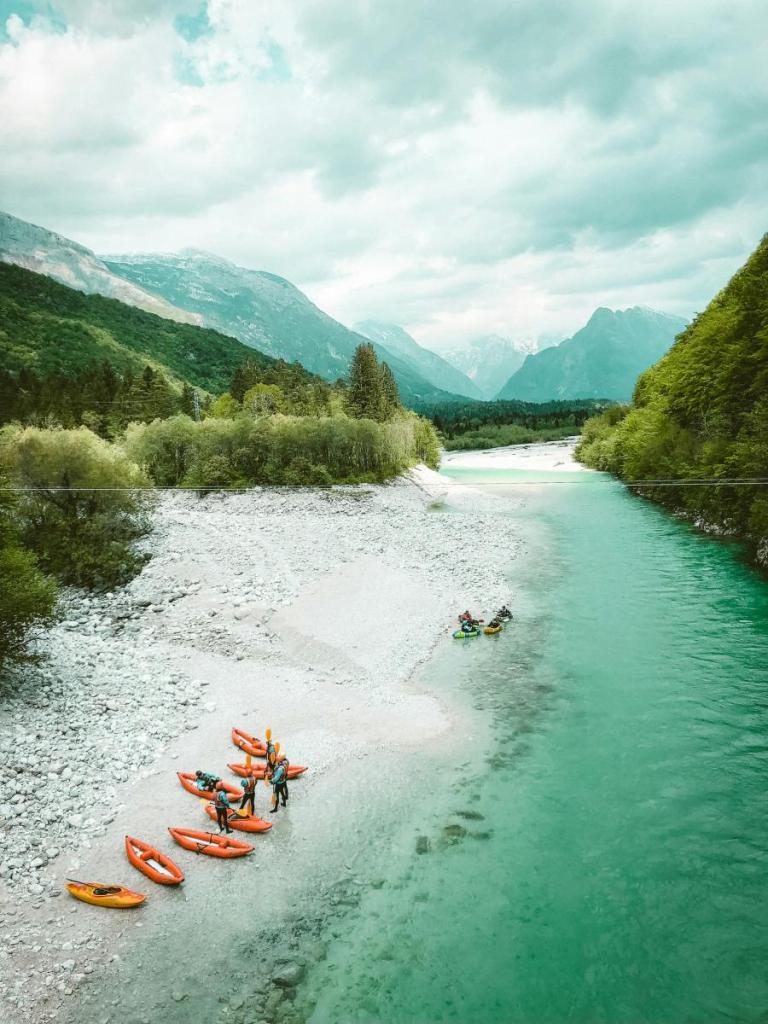
Slovenia is a haven for kayakers and there are so many tour companies in Bovec and Lake Bled. This means that there are plenty of options to kayak on either the Sava or Soča river, so you can tailor your experience to suit your skill level.
As a general rule, the Sava River is better for beginners, while the Soča can be a little tougher. Or, if you fancy something unique, opt for a cave kayaking tour where you can make your way through an underground labyrinth of stalagmites and stalactites.
Search for Waterfalls
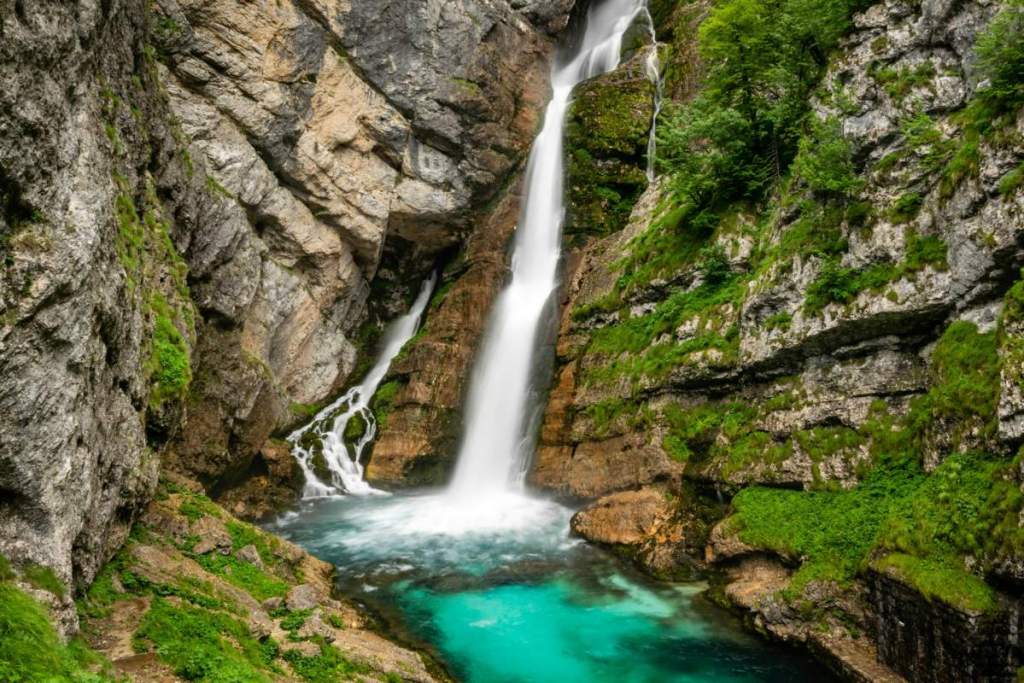
There’s an abundance of waterfalls nestled around the Triglav National Park/Lake Bled area and you could easily spend a couple of days hunting them all out. We recommend renting a car and stopping by as many as possible.
Our top choices? We think that Savica, Peričnik, and Kozjak are the prettiest waterfalls in the region. These are all in the west side of Slovenia, around Triglav National Park, so you can easily see all three in an afternoon.
How to Get to Triglav National Park
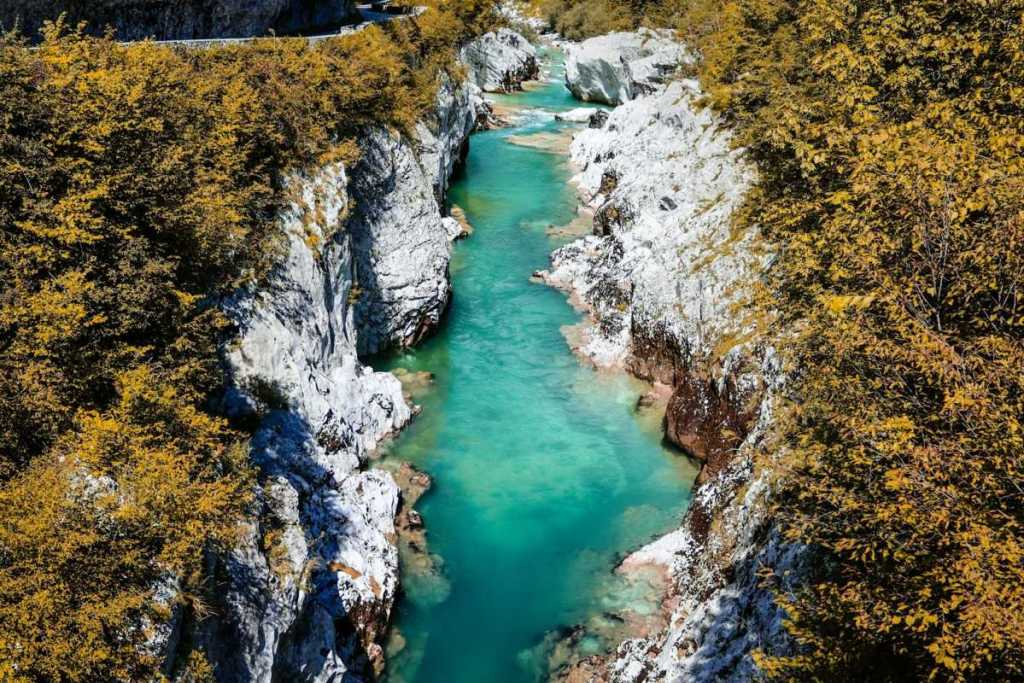
The easiest way to get to Triglav National Park is by renting a car or taking the bus. The bus from Ljubljana takes between 1 hour 15 minutes and 2 hours, depending on whether you choose to stay in Bled or even Kranjska Gora.
You’ll need to change buses in Kranjska Gora if you plan to stay in Bovec – the Arriva website is very handy when it comes to planning your bus route around Slovenia. Using public transport to get to and from Triglav National Park becomes much more difficult outside of the popular summer months.
Where to Stay Near Triglav National Park
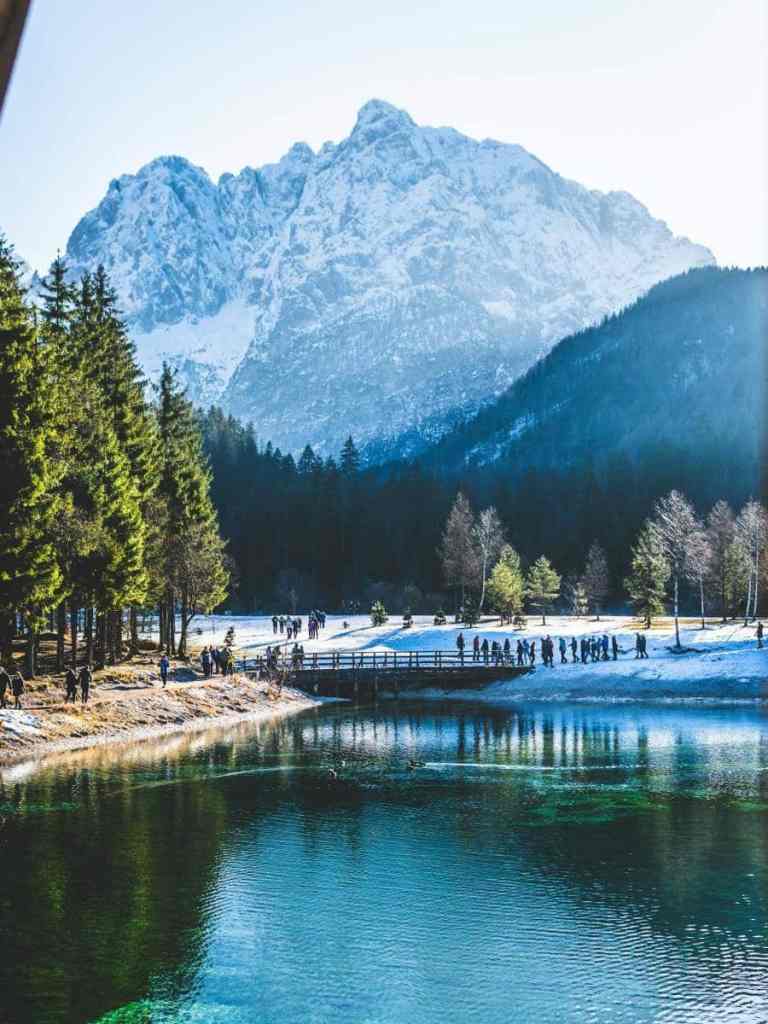
While staying in Ljubljana is significantly cheaper than staying in Bovec or Bled, it often makes more sense to spend a little bit more money to be closer to Triglav National Park.
Personally, we recommend staying in Bovec as it’s the adventure capital of Slovenia (and many Triglav tours depart from here!) However, staying in Bled allows you to easily see both Lake Bled and Triglav National Park in the space of a couple days.
How much does a Trip to Triglav Cost?
Transportation
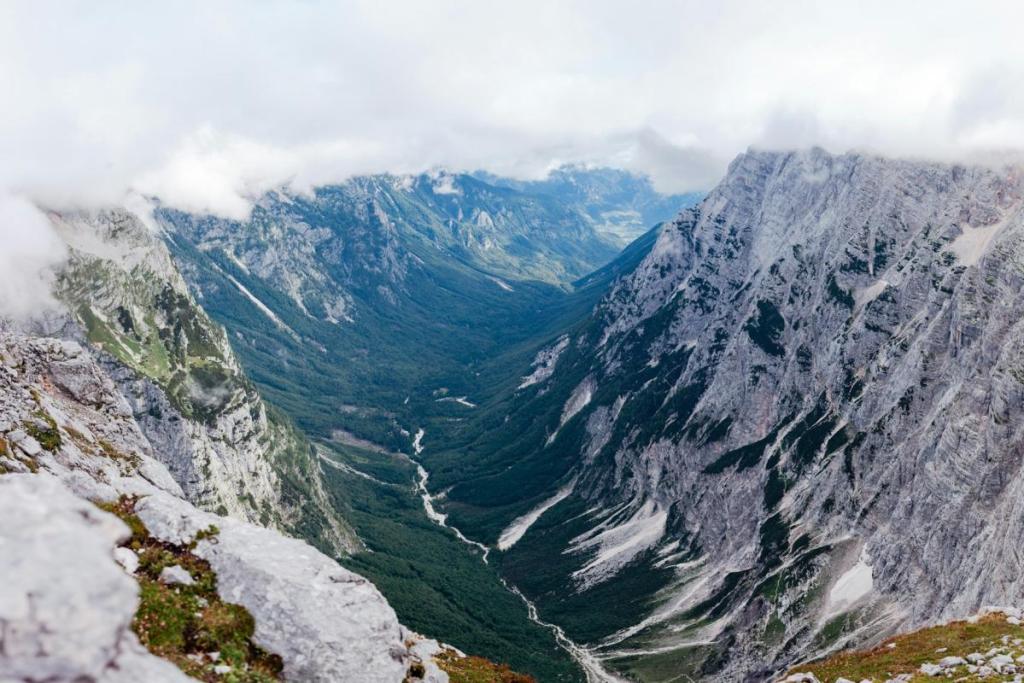
Travelling around Slovenia is relatively inexpensive. If you’re travelling from Ljubljana, expect to pay between €6/$6 and €17/$18 depending on whether you choose to go by bus or train.
In some cases, renting a car can be more cost effective. It costs approximately €28/$30 per day, though this depends on your chosen vehicle.
Accommodation
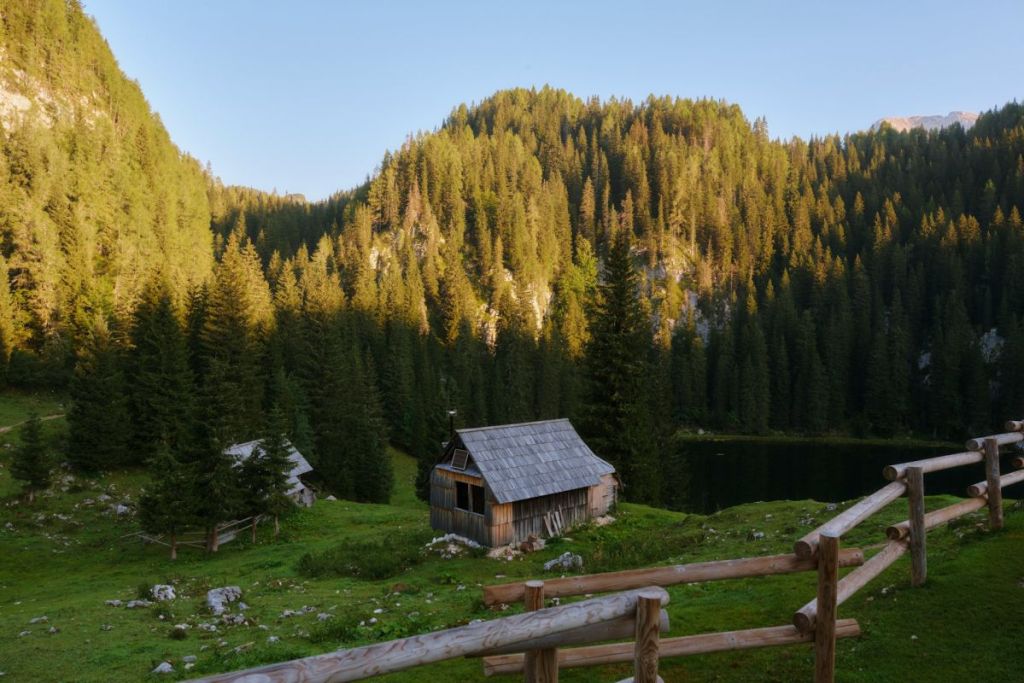
Surprisingly, Triglav National Park accommodation can be pretty pricey. As we already mentioned, staying in Ljubljana is cheapest but it’s not always the best option.
Hotel room rates in Bovec and Bled will set you back around €140/$150 per night. A bed in a hostel costs approximately €20/$21 per person per night, so can be a great way to save cash.
Food
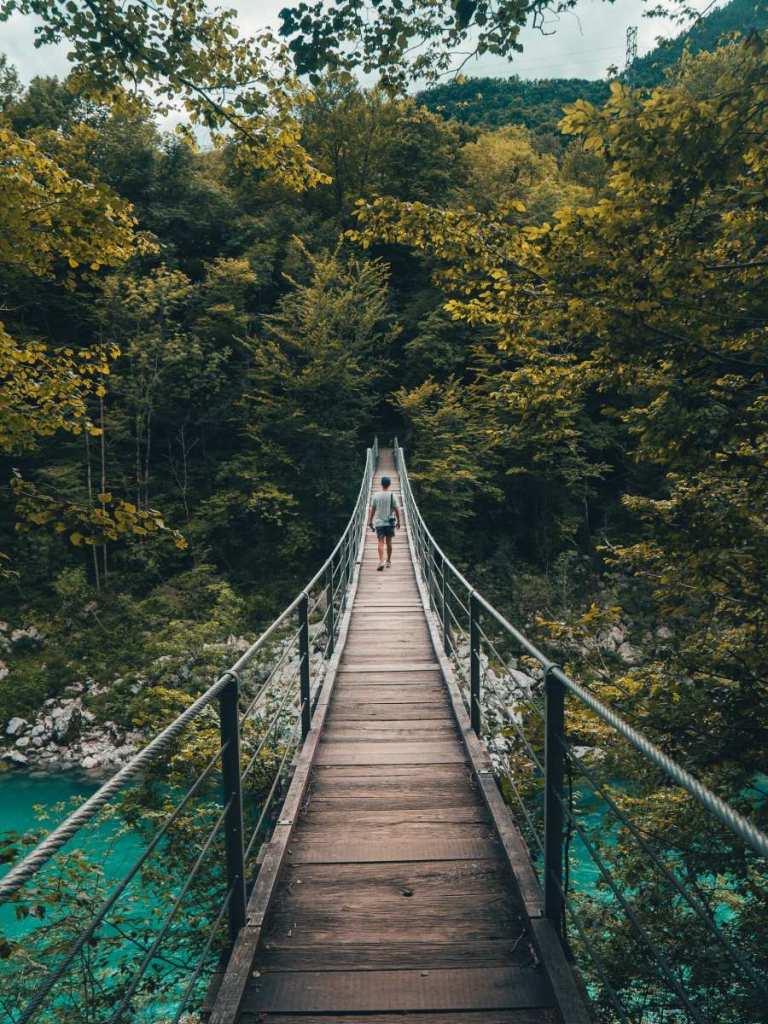
If you’re travelling from the UK or USA, food in Slovenia is relatively inexpensive. We recommend you budget for €28/$30 per person per day.
If you’re staying in Bovec, Bled, or Ljubljana, you can keep costs down by grabbing food from a supermarket. Make sure you stock up on supplies before heading into Triglav National Park.
Mobile Data
WiFi is spotty (and often non-existent) in the more rural areas of Triglav National Park, so we always recommend purchasing Airalo’s e-sims. They’re easy to install on your phone and relatively cheap. You can choose between a Slovenia-only, Europe, or Global e-sim and top up as you go.
How Long to Spend in Triglav National Park
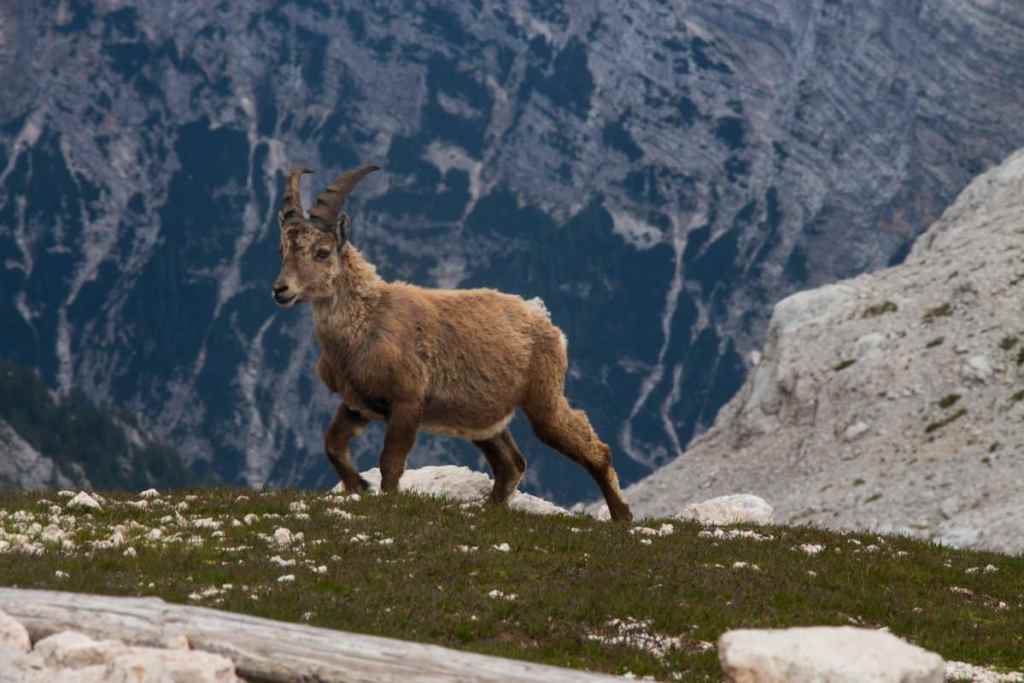
As a general rule, we recommend spending around three days in Triglav National Park. This will depend on the activities you want to do, as some are as short as half a day, while the Mount Triglav climb takes at least two days.
If you combine this trip with a visit to Lake Bled (and you definitely should), you could easily spend five days in the Triglav National Park area.
Best Time to Visit Triglav National Park
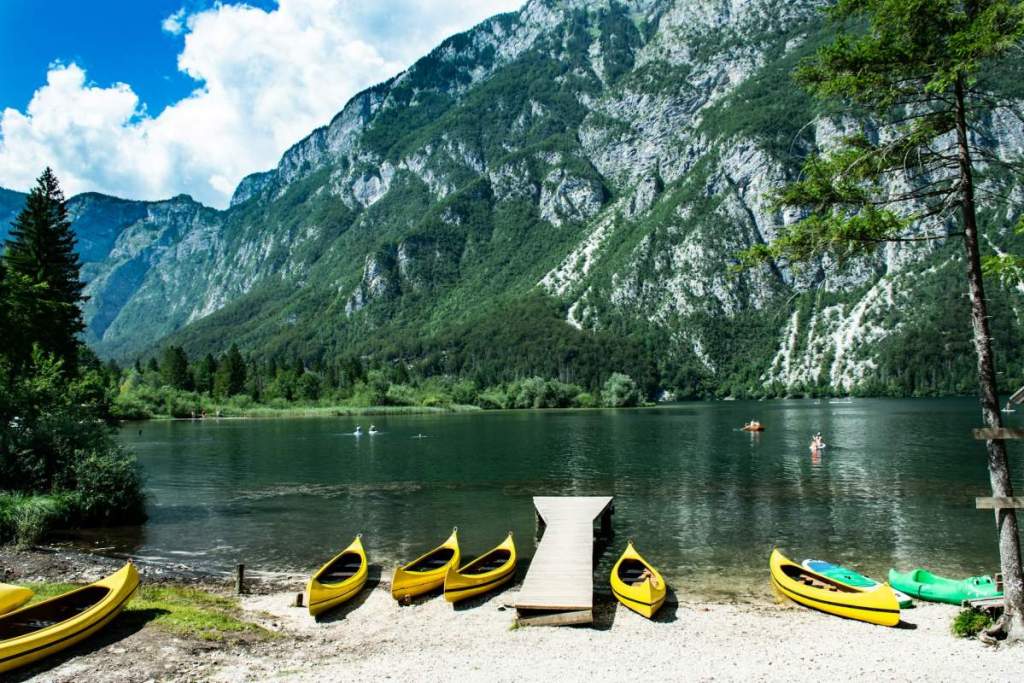
One of the reasons we love Triglav National Park is that it’s possible to visit all year round. Most people will agree that summer is the best time to visit, especially for water activities and hiking in the mountains – though this is also a very busy period.
If you want warm weather with less crowds, April/May and September/October are also excellent times to book your Triglav trip. Winter is equally beautiful, though many places will be closed in the tourist off-season. Plus, you might encounter road closures due to snow.
