
The Ultimate Two-Week Morocco Itinerary (+ Map)
Dreaming of desert adventures, ancient towns, or surf-town vibes? This two-week Morocco itinerary weaves through bustling cities and remote landscapes.
Picture this: golden dunes stretching into the horizon, vibrant souks buzzing with life, and waves crashing against ancient coastal walls. Morocco is a country that hits every traveller’s sweet spot.
Over two unforgettable weeks, you’ll wander the maze-like medinas of Marrakech and Fez, indulge in Casablanca, and chill out in surf-friendly Taghazout. There’s time for the blue-washed beauty of Chefchaouen, the cinematic landscapes of Ouarzazate, and even the crashing waves of the Atlantic Coast. Let’s go.
14 Days in Morocco
Day 1: Arrive in Tangier
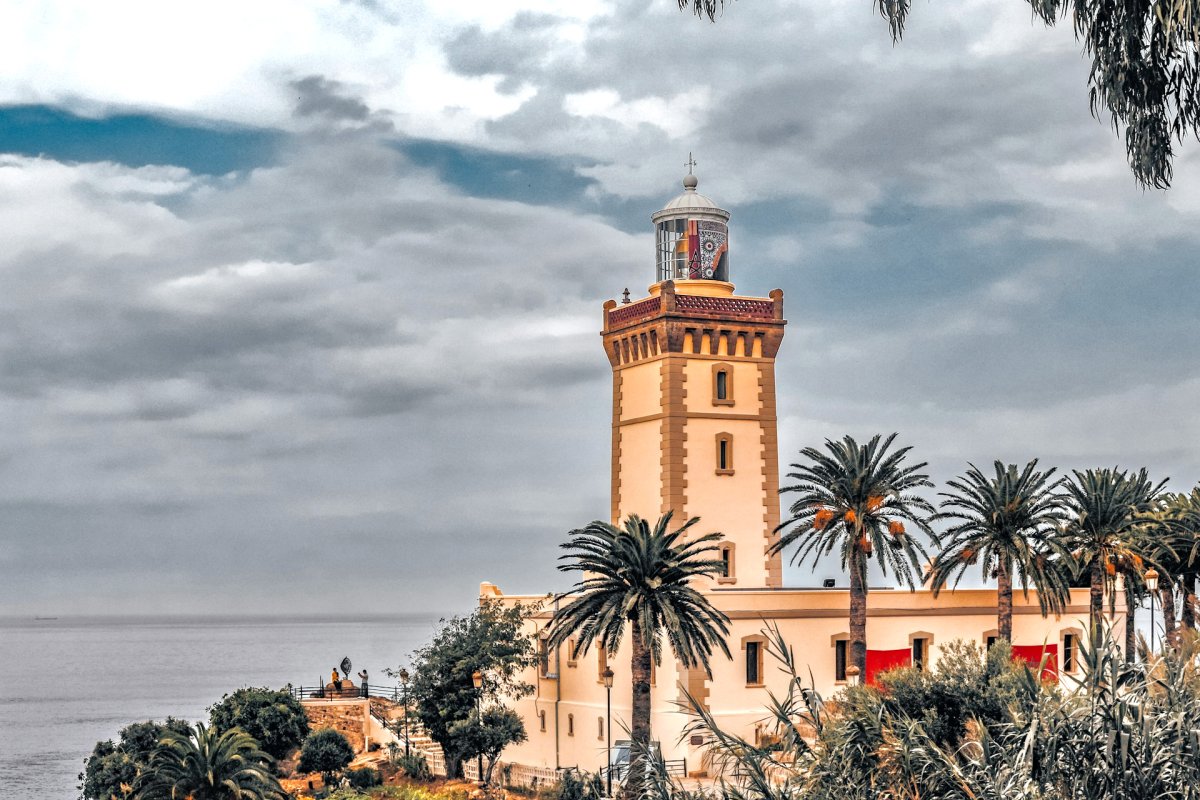
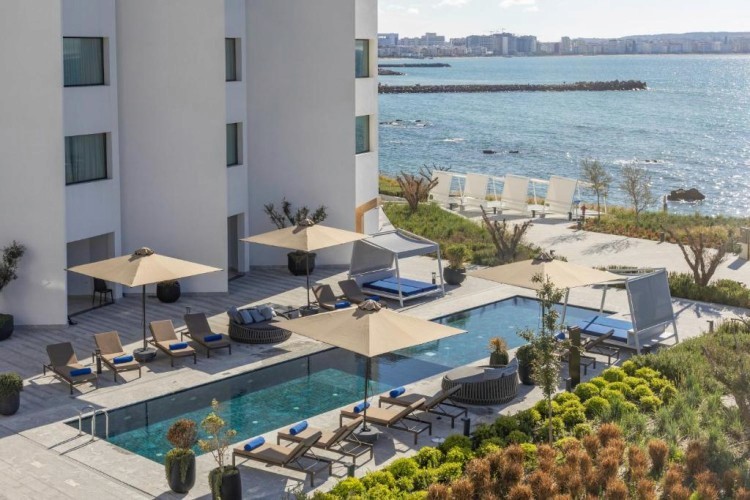
Kick off your trip in Tangier, the gateway between Europe and Africa. This city has long been a magnet for writers and artists, both drawn to its mix of Moroccan tradition and international flair.
After checking into your riad or hotel, head straight to the Medina – a maze of whitewashed buildings, bustling souks, and hidden cafés that wouldn’t look out of place on a Santorini postcard.
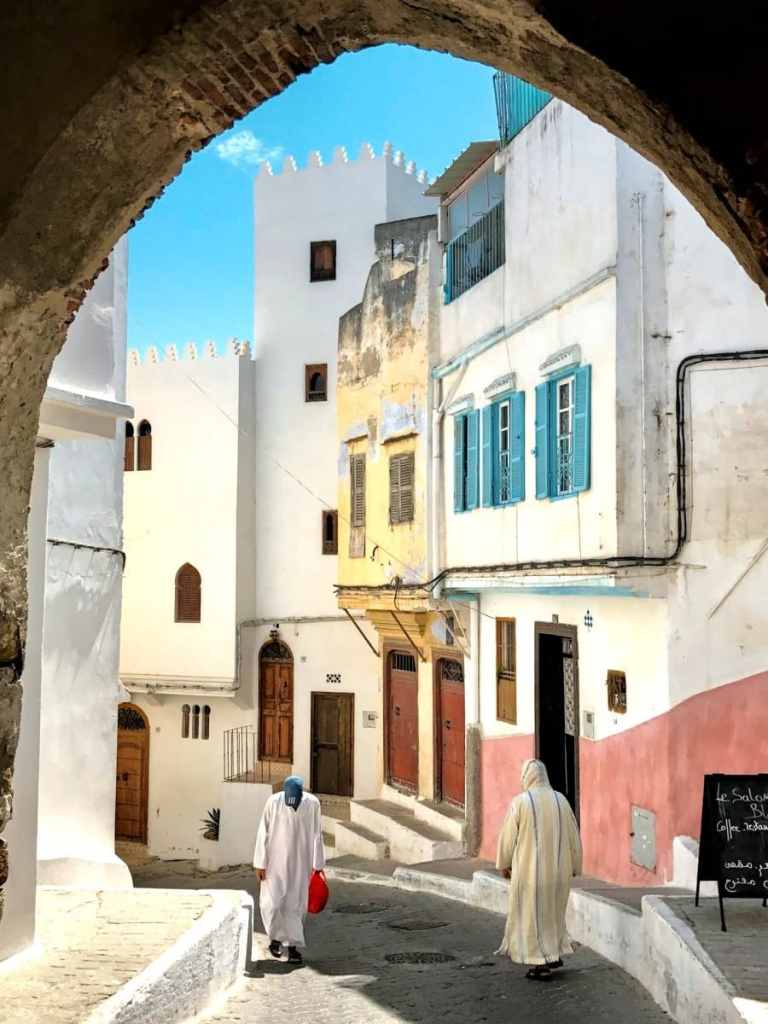
Wander through the narrow streets, stopping to admire the Grand Socco, a lively square that connects the old and new parts of the city. Then, make your way to the Kasbah, the old fortress overlooking the sea. If you have time: visit the Kasbah Museum, housed in a former sultan’s palace, to learn about Tangier’s fascinating history.
For your first night in Morocco, treat yourself to a fresh seafood din
ner at a local restaurant. Le Saveur de Poisson is a popular spot known for its daily-changing menu and Moroccan-style fish dishes.
Travel Tip
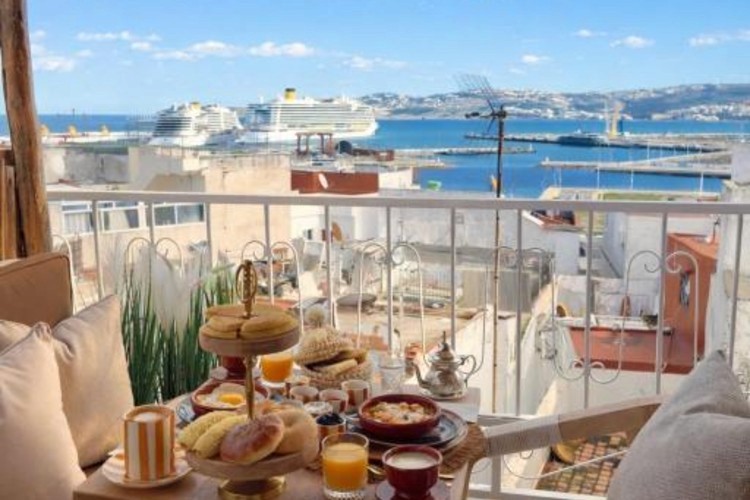
Don’t skip Café Hafa, a legendary cliffside spot with stunning views of the Mediterranean – perfect for sipping a mint tea while watching the ferries sail to Spain. Go early to avoid long lines.
Day 2: Day Trip to Chefchaouen
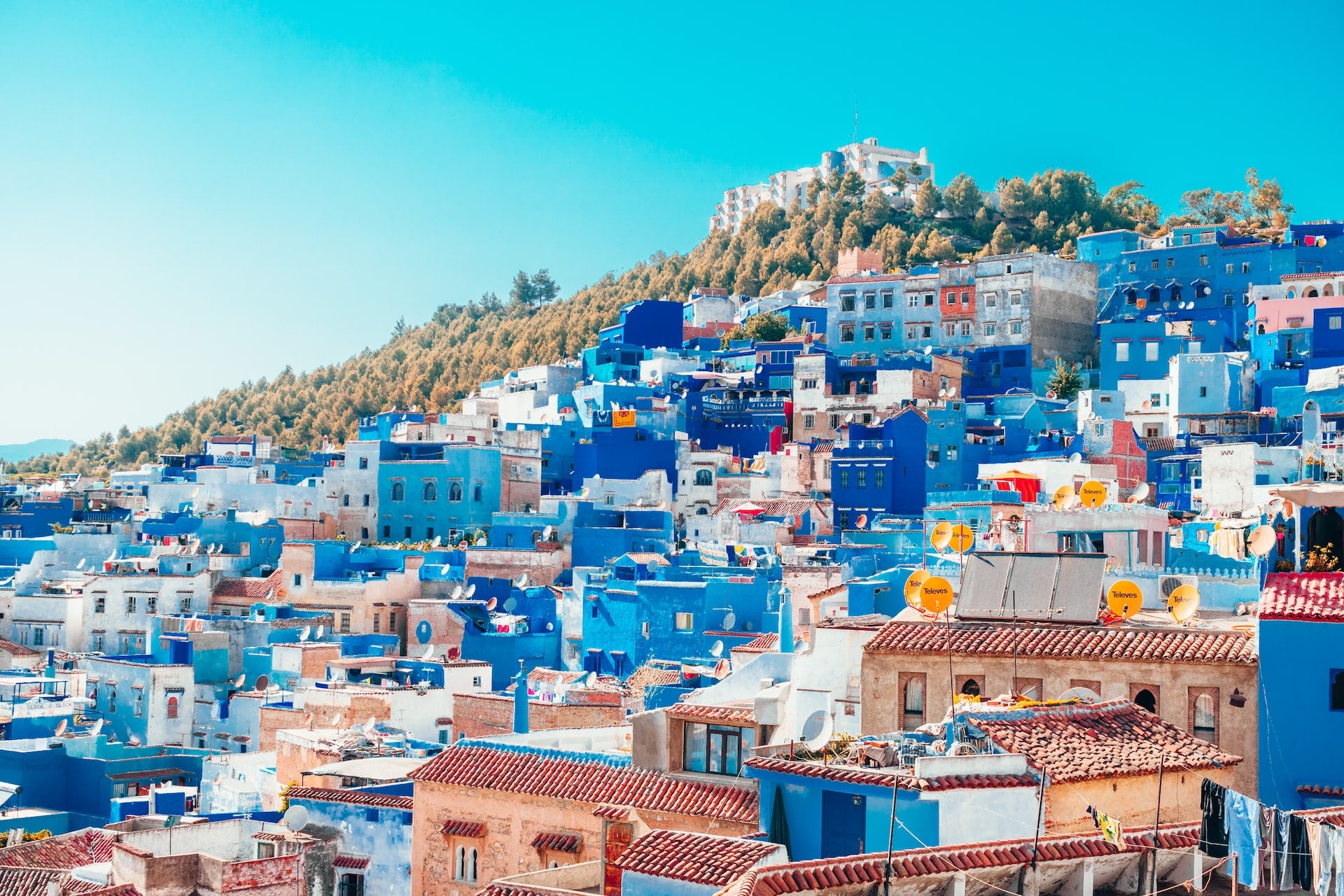
Rise early on day two for a magical trip to Chefchaouen, AKA the blue city. It’s one of Morocco’s most photogenic and peaceful towns, nestled in the Rif Mountains. This tour transports you between Tangier and Chefchaouen.
Once you arrive, start your day by simply wandering the cobbled streets. Chefchaouen’s medina is smaller and calmer than those in larger cities, making it the perfect place to get lost in the best way possible. Snap photos of the blue alleyways, stop by small artisan shops, and soak up the town’s laid-back vibe.
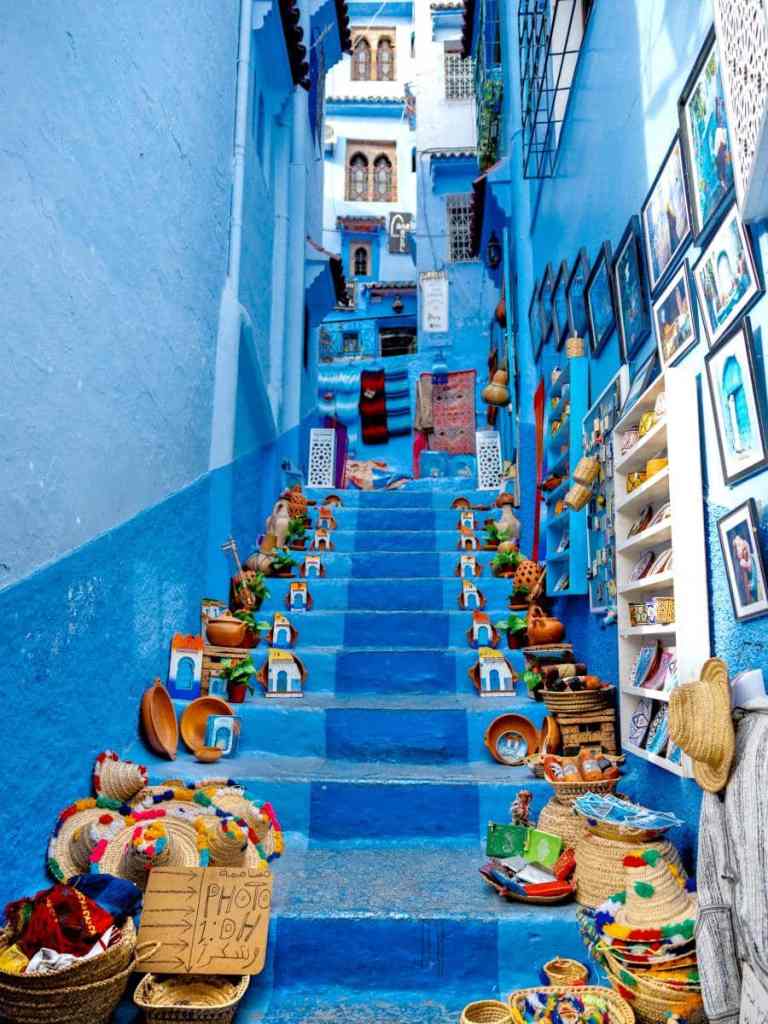
After a relaxed lunch at a rooftop café (try Café Clock for a modern twist on Moroccan dishes), take a short walk to Ras El Maa, a small waterfall just outside the medina where locals come to cool off.
If you’re up for a little adventure (and have the time to spare), hike 20–30 minutes uphill to the Spanish Mosque for a breathtaking panoramic view over Chefchaouen and the surrounding Rif Mountains.
Travel Tip
You can opt for a day trip that covers both Tetouan and Chefchaouen. But, if you’re short on time, we recommend sticking with one or the other to avoid over-stuffing your trip. And Chefchaouen is our favourite.
Day 3: Tangier to Fez
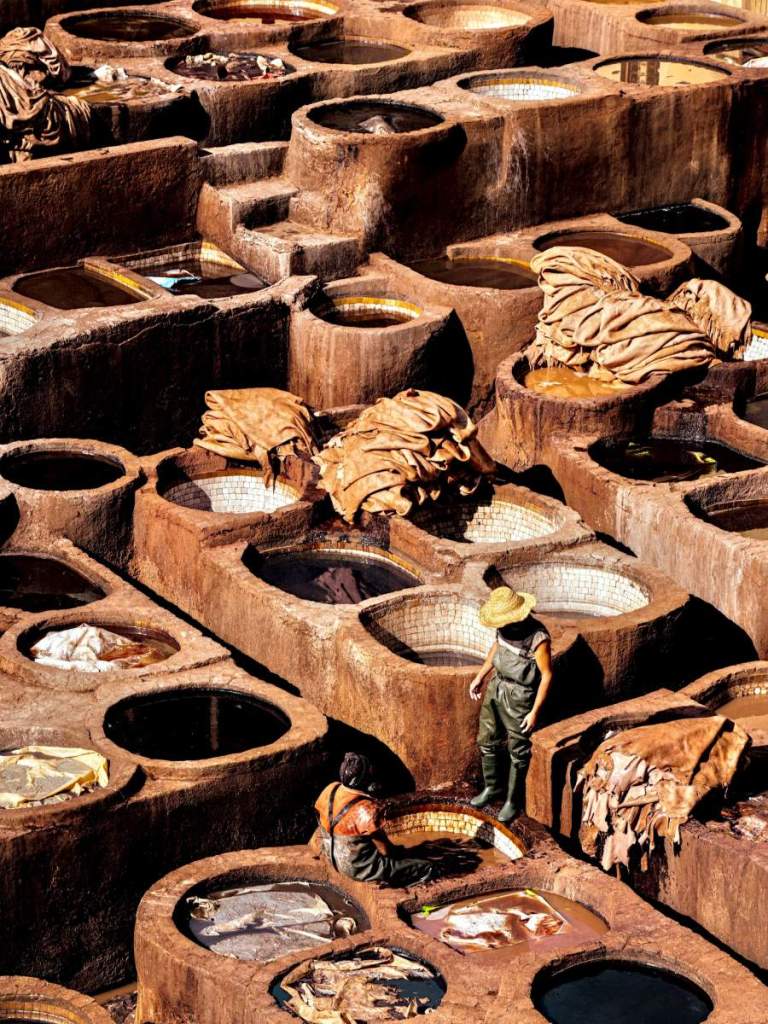
On day three of this Morocco itinerary, swap the coastal breeze of Tangier for the historic wonders of Fez, one of Morocco’s most ancient and culturally rich cities. Fez is home to the largest medina in the world, a maze of winding alleys, centuries-old souks, and some of Morocco’s most impressive architecture.
There are a few ways to get to Fez. The most comfortable and scenic option is by train, but there are also buses that run between the two cities. If you’re renting a car or hiring a driver, expect a straightforward five-hour journey.
Once you arrive, check into your riad before heading out for your first taste of Fez. The city is a haven for foodies, so treat yourself to a traditional Moroccan feast at a rooftop restaurant like Dar Roumana or The Ruined Garden.
Day 4: Fez
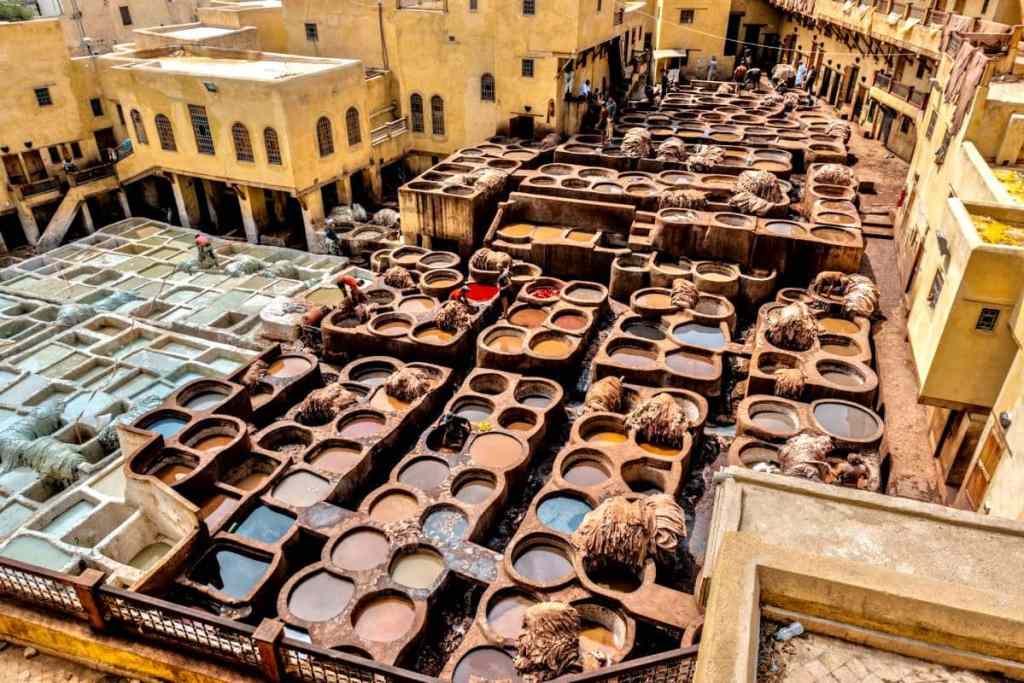
With its UNESCO-listed medina, centuries-old tanneries, and maze-like souks, this city feels like stepping into a living museum. Today, you’ll dive deep into Fez’s craftsmanship, history, and, of course, its famous leather industry.
Start early and head straight into Fes el-Bali, the oldest walled medina in the world, home to over 9,000 twisting alleyways – no cars, just donkeys, carts, and the scent of spices in the air.
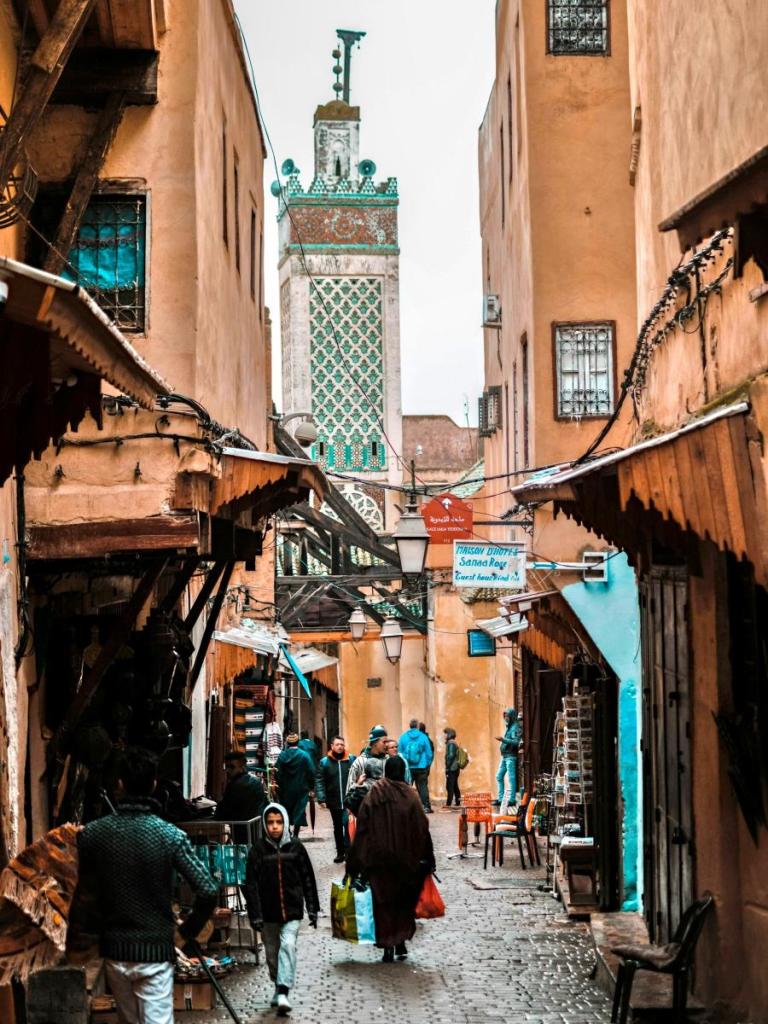
Begin at Al-Qarawiyyin University. It was founded in 859 AD, making it the oldest continuously operating university in the world. You can’t enter unless you are a Muslim, but it’s still worth admiring its intricate tilework and stunning courtyard from the entrance. Nearby, the Al-Attarine Madrasa is another architectural gem worth visiting.
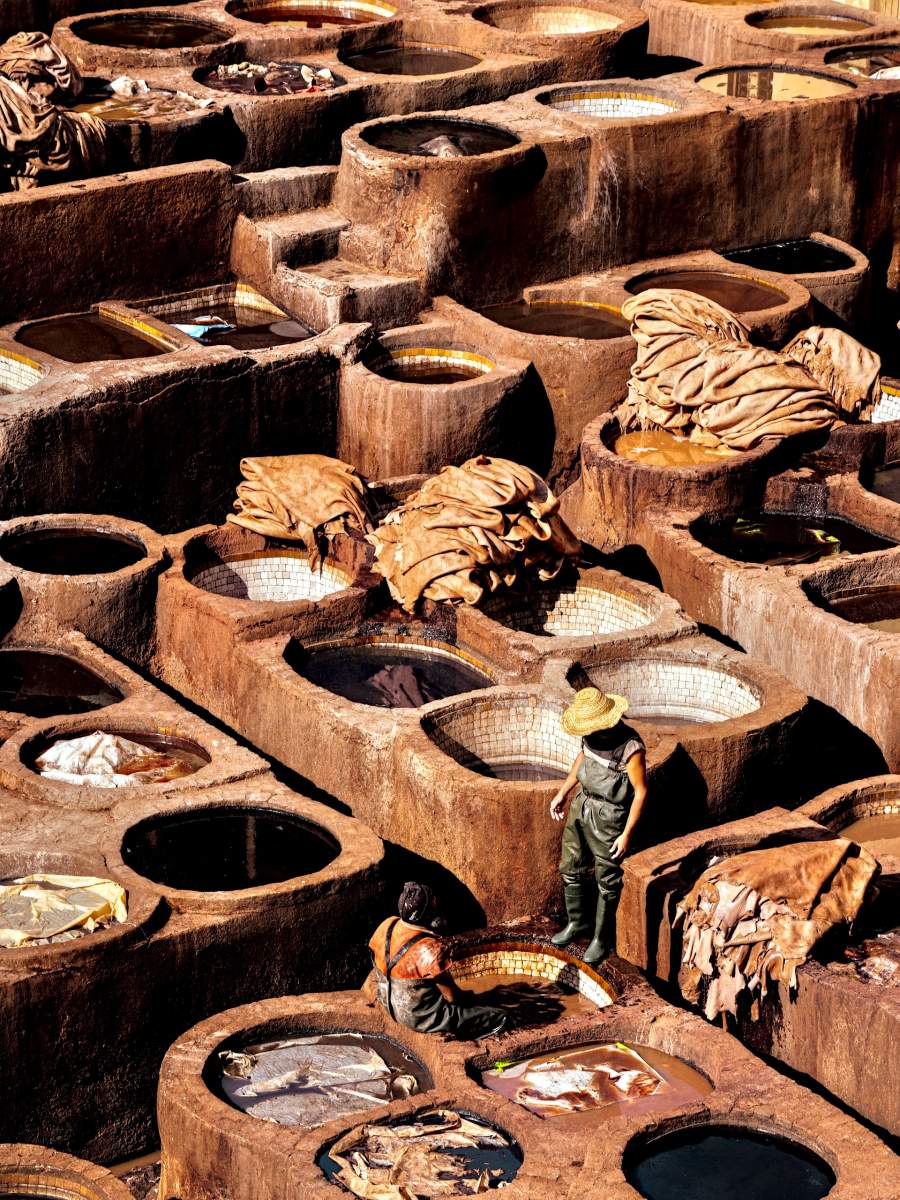
Ever seen that image of Fez’s leather industry? It was taken at Chouara Tannery, the largest and most iconic in the city. Head up to one of the surrounding leather shops for a panoramic view of the ancient tanning pits, where workers dye hides in massive stone basins filled with natural pigments like saffron, indigo, and henna.
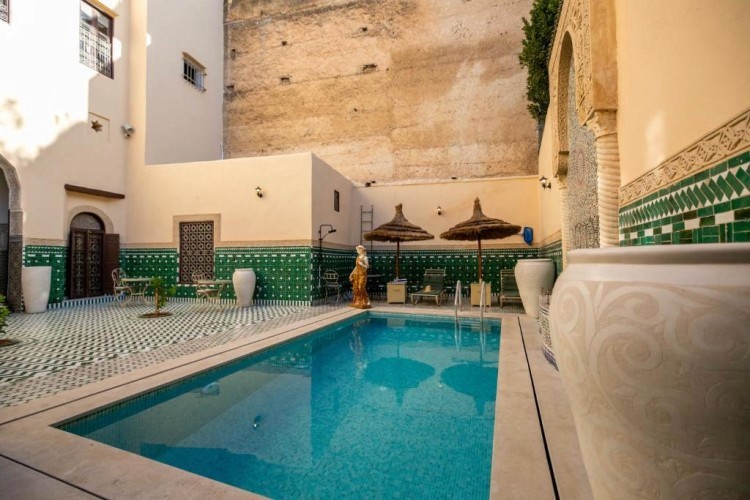
Travel Tip
The smell of leather is so strong at the Chouara Tannery – and, we’ll be honest, it smells gross – so grab a sprig of fresh mint (often offered at the entrance) to mask the scent.
Day 5: Fez to Casablanca
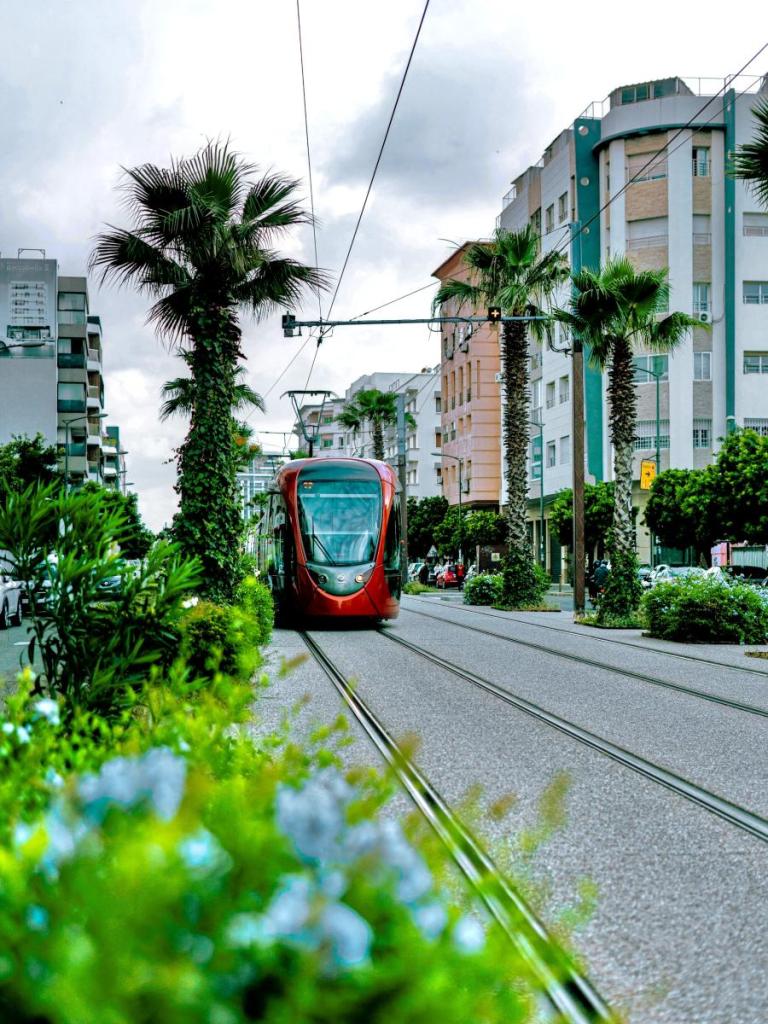
Ready to swap Fez’s ancient alleyways for modern Casablanca? It’s quite the cultural shift. Trains and buses run frequently throughout the day, taking just four hours to travel between the two cities.
If you’re driving, take the scenic route and make a stop in Ouazzane, a lesser-known but beautiful pit stop. Known as the “City of Saints”, Ouazzane has long been an important pilgrimage site for both Muslims and Jews, with many Moroccan Jewish families tracing their ancestry here.
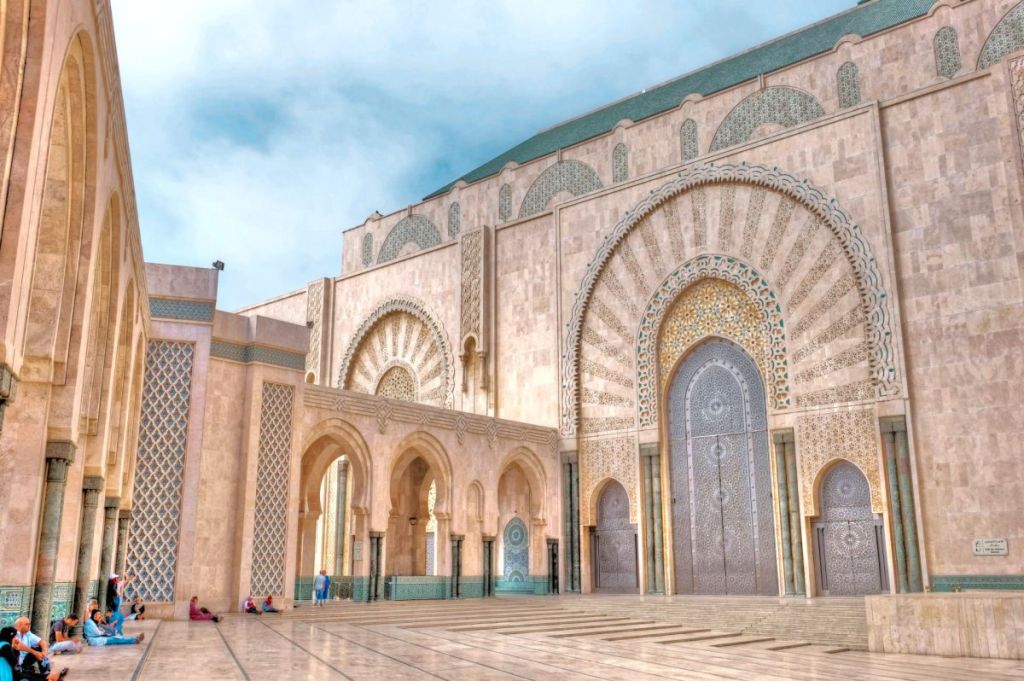
Back on the road, it’s about a 4-hour drive to Casablanca. As you leave the Rif Mountains behind, the landscape shifts to open plains and urban sprawl as you approach Morocco’s modern metropolis.
Head straight to the Hassan II Mosque – Casablanca’s most famous landmark. Built on the edge of the Atlantic Ocean, it’s one of the largest mosques in the world, with intricate tilework, a towering minaret, and a stunning location for sunset. If you get there before the last guided tour (usually around 4 PM), you can explore the breathtaking interior.
Travel Tip
If you have extra days, spend some time in Rabat. Sitting just up the coast from Casablanca, the capital is often overlooked – a huge shame as it’s one of the top places to visit in Morocco.
Day 6: Casablanca
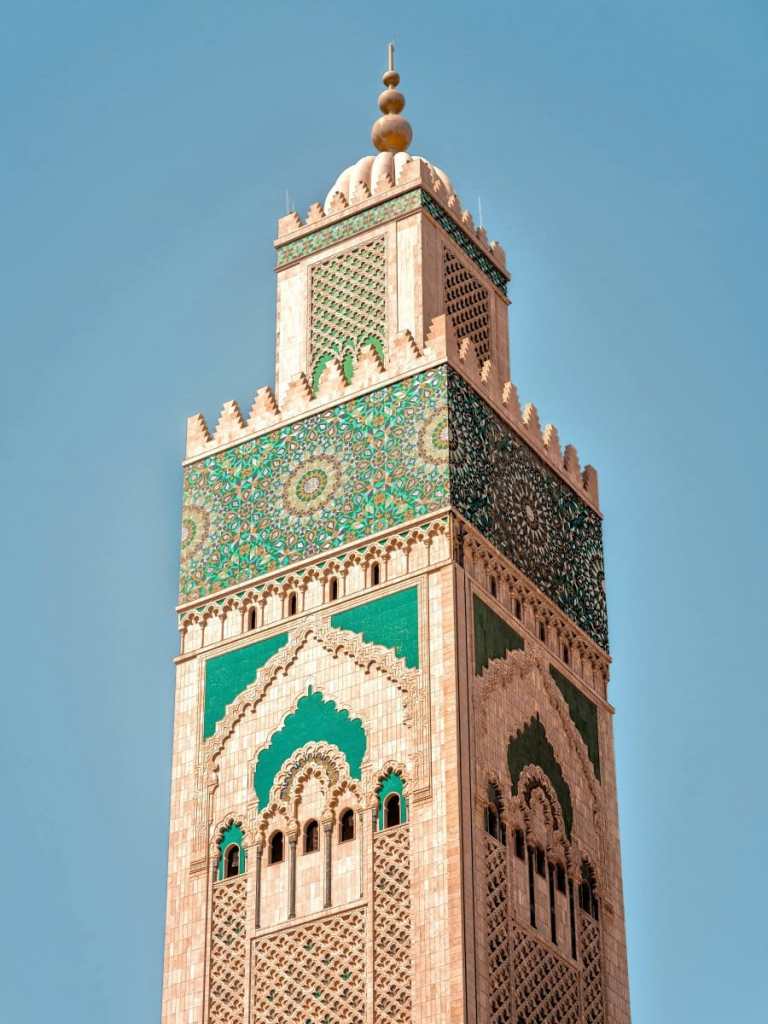
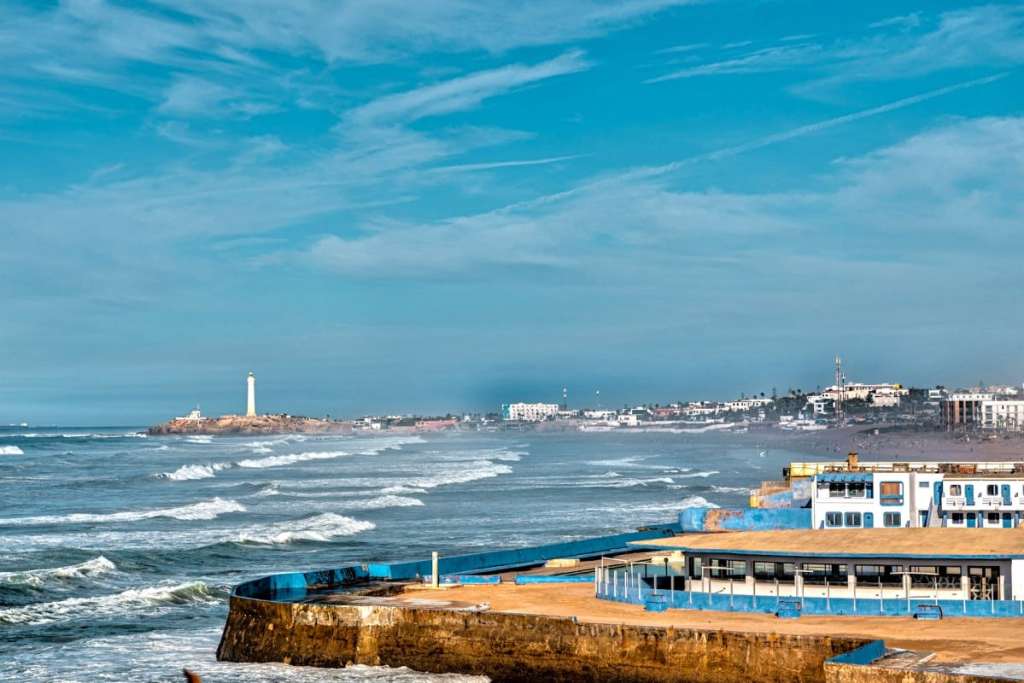
After days of winding medinas and historic sites, today offers a taste of cosmopolitan Morocco. Casablanca is often overlooked by younger travellers, but it has a unique charm of its own. Begin your day with a stroll along the Corniche, a coastal promenade, before stopping for coffee at a seaside café.
Casablanca has a rich Art Deco heritage, a legacy of its French colonial past. Head to the Quartier Habous, also known as the New Medina. It’s a great place to pick up handmade crafts, spices, and leather goods without the chaos of bigger souks.
Next, wander through Place Mohammed V, a grand square surrounded by impressive French-era buildings, including the Palace of Justice and the Post Office, perfect for architecture lovers.
If you’re into history, visit the Villa des Arts, a museum showcasing contemporary Moroccan art within a beautifully restored 1930s mansion. For dinner, unwind at Rick’s Café, a stylish homage to the classic film Casablanca, or enjoy fresh seafood at La Sqala, set in a charming old fortress.
Day 7: Casablanca to Marrakech
There are several ways to get from Casablanca to Marrakech. The ONCF train from Casablanca Voyageurs station takes around 2h 40m and runs frequently throughout the day. CTM and Supratours operate buses between the two cities, but we think the train is the better option.
Once you arrive in Marrakech – let the fun begin. This city is a whirlwind. Head to Jemaa el Fnaa on your first evening to see exactly what we mean. Grab a fresh juice and spend the night people watching. Just be careful to keep your belongings safe.
Day 8-11: Marrakech (and Day Trips)
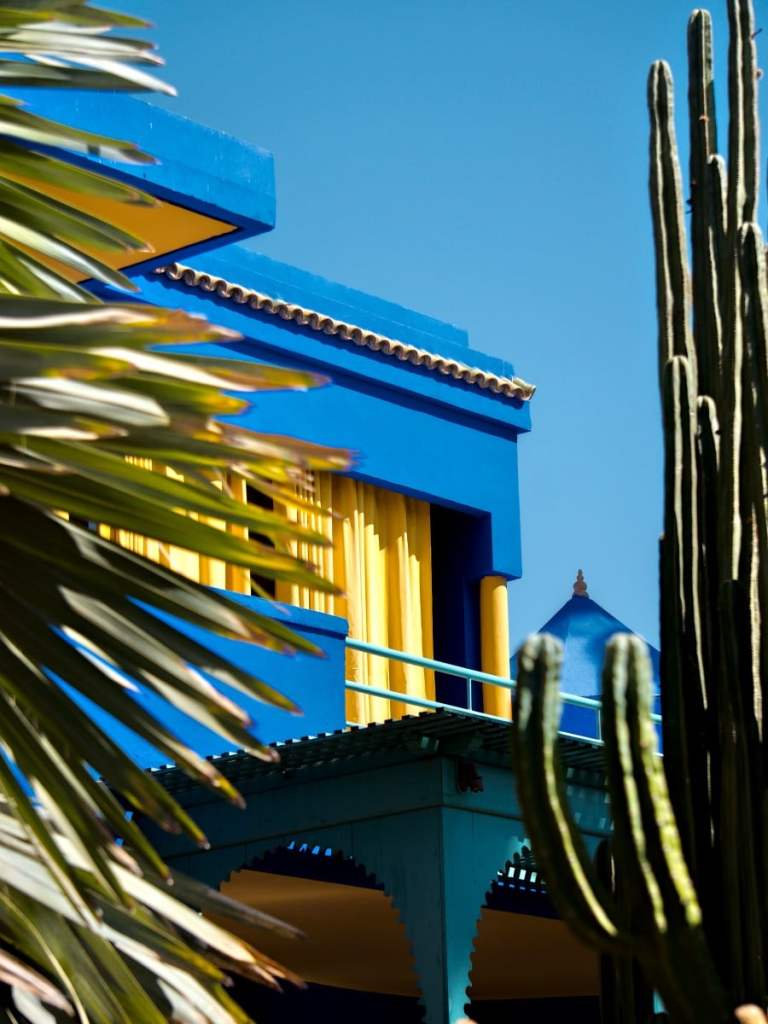
On the first full day in Marrakech, we love exploring early to enjoy a sleepy medina and find our bearings. Once the city wakes up, you’ll be transported into a world of exotic spices, intricate architecture, and the unmistakable energy of one of Morocco’s most iconic cities.
Jardin Majorelle is a must visit: a vibrant blue oasis filled with exotic plants, fountains, and winding pathways. The adjacent YSL Museum showcases the famous designer’s connection to Morocco.
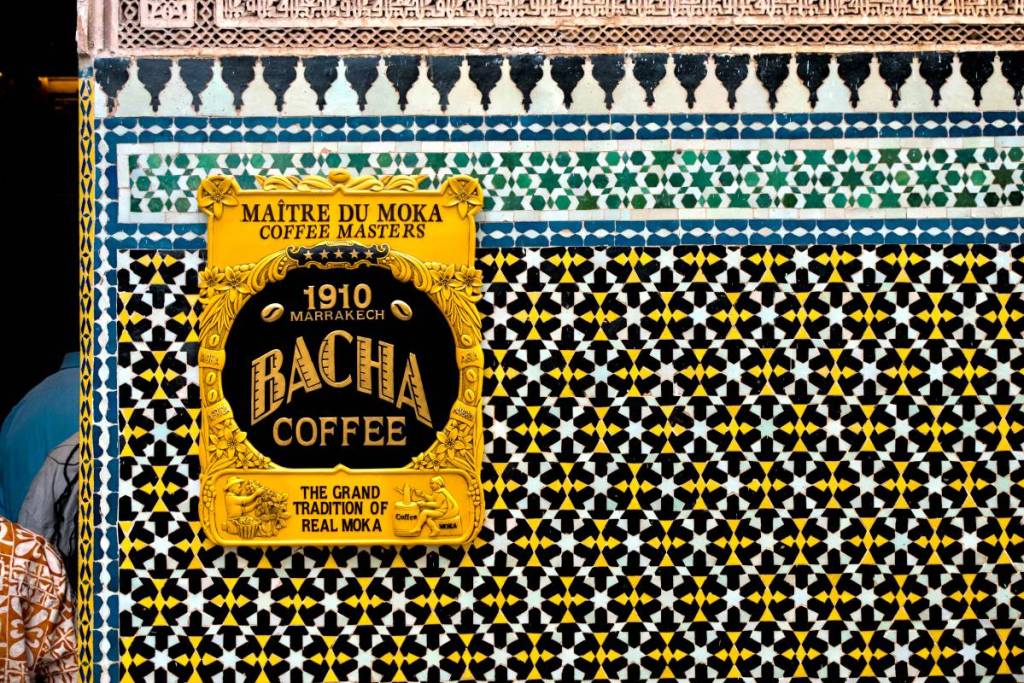
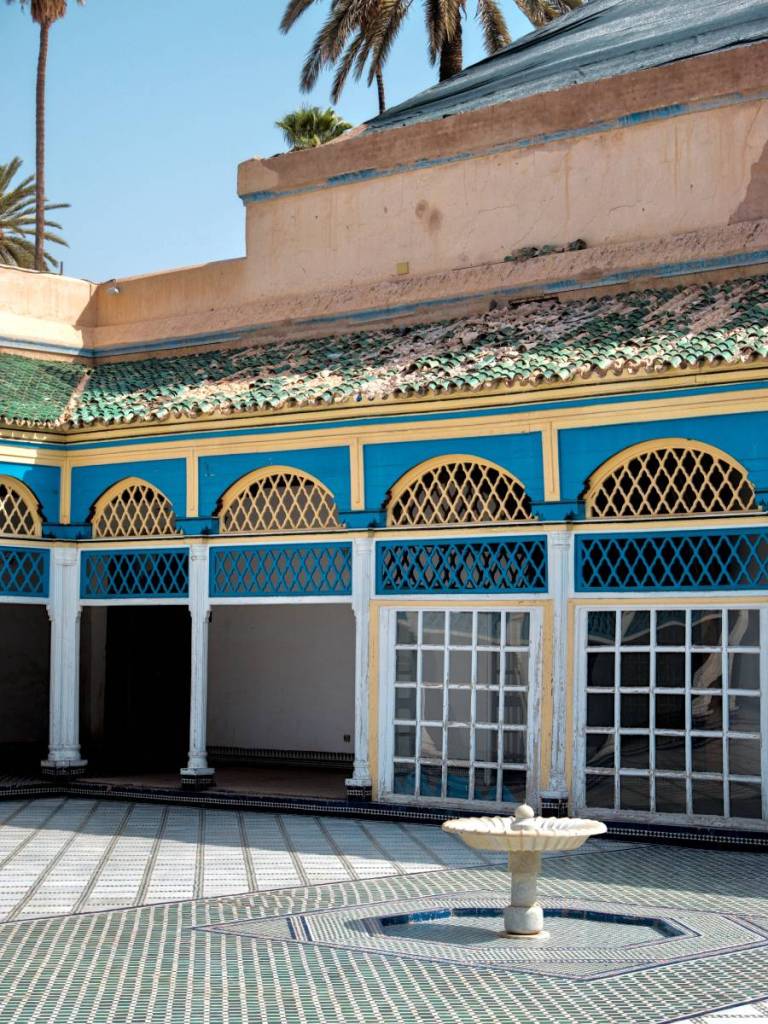
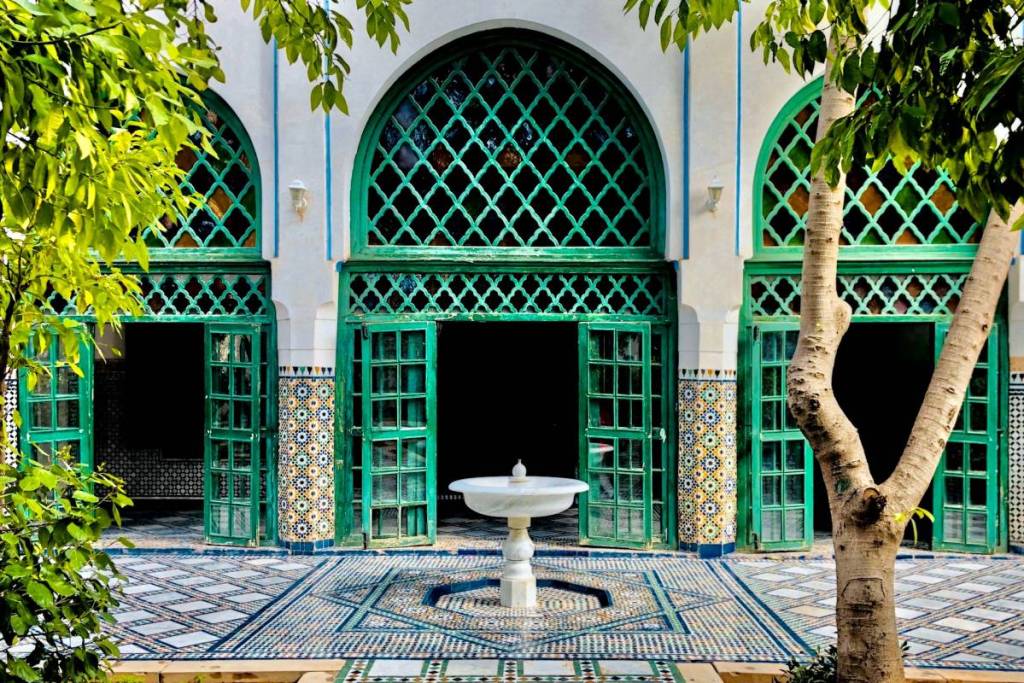
Dar El Bacha is one of the most beautiful palaces in Marrakech. It was once home to Thami El Glaoui, the Pasha of Marrakech, and is now a stunning museum with a gorgeous courtyard. Stop by Bacha Coffee for one of the best brews in town (this is our favourite spot – it’s worth the wait).
Madrasa Ben Youssef is another iconic photo spot, where you can snap shots of Marrakech’s postcard-worthy tiles. Likewise, don’t skip Bahia and El Badi Palace, which are just around the corner from each other.
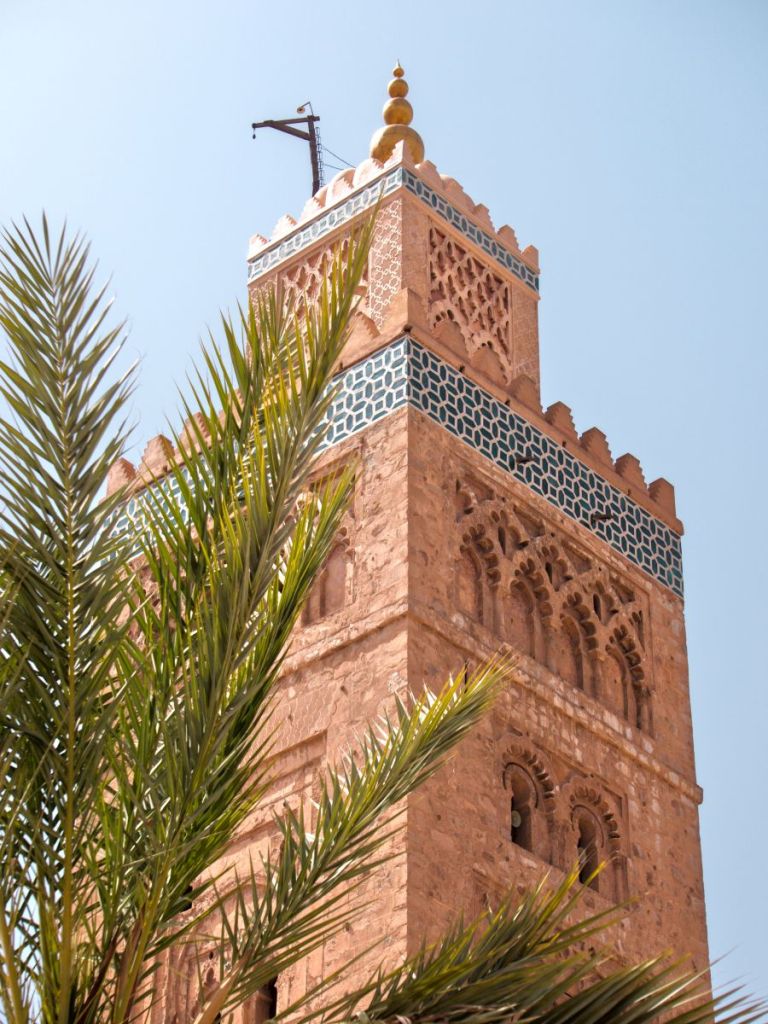
Swing by the Koutoubia Mosque – the largest mosque in Marrakech – famous for its striking minaret. Non-Muslims can’t enter, but the surrounding gardens are perfect for a stroll. Nearby, the “new” Gueliz area is worth spending a couple of hours exploring.
While in Marrakech, take advantage of the location by heading out on day trips. We recommend Essaouira (a stunning coastal town) and Ouarzarzate/Aït Ben Haddou, known for being a popular filming location for the likes of Gladiator and Lawrence of Arabia.
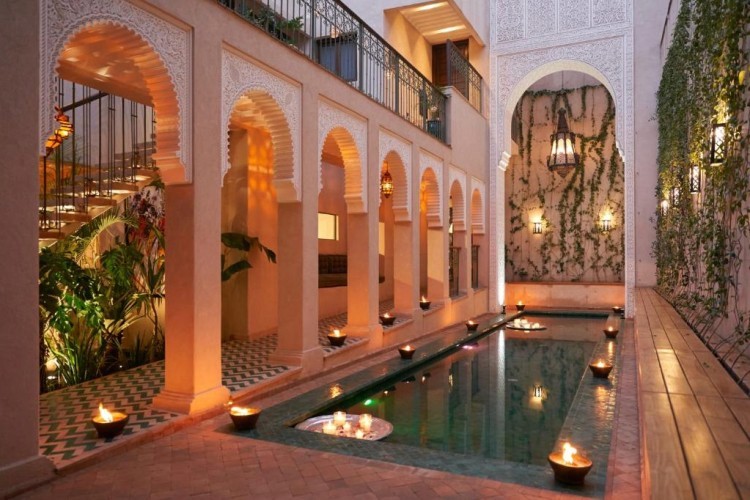
Day 12: Marrakech to Agadir or Taghazout
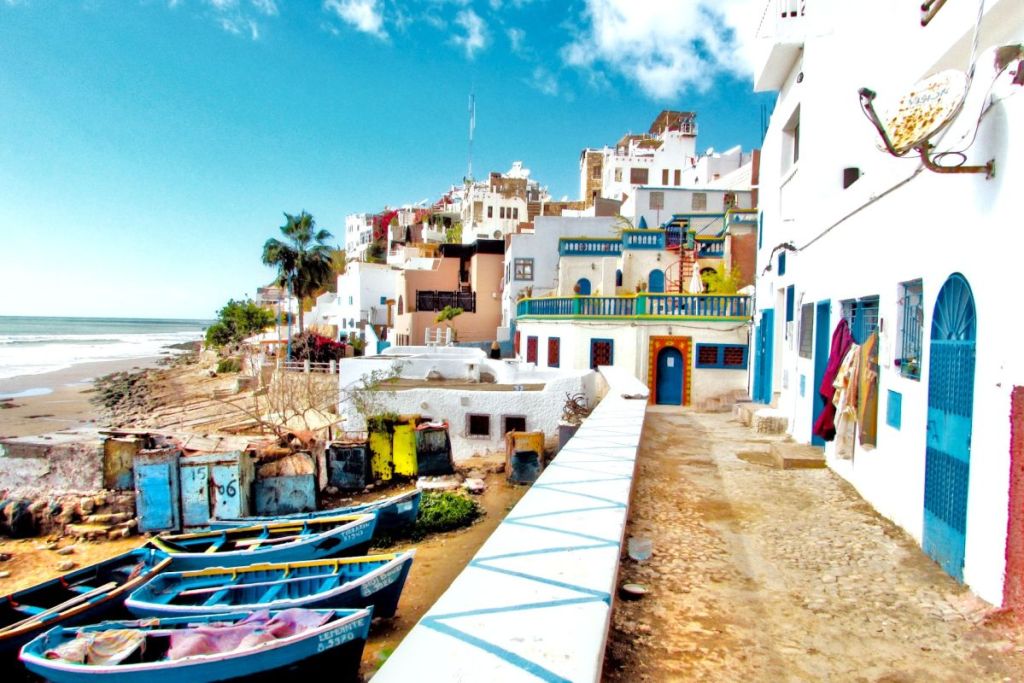
The drive from Marrakech to the coast is a straightforward 3 to 4-hour journey. Both Agadir and Taghazout are easy to reach by car or bus. You can also hire a private driver for extra comfort and flexibility.
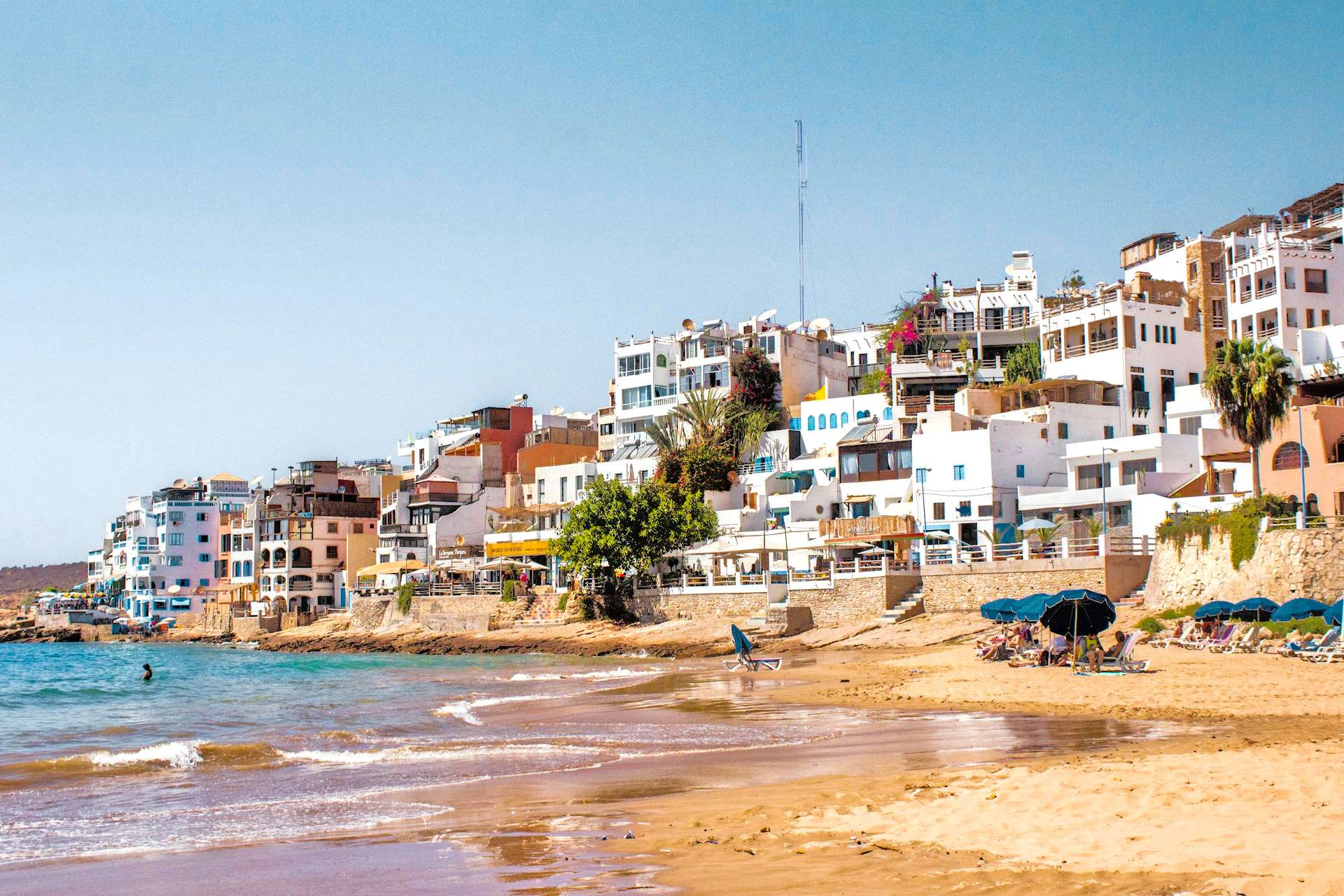
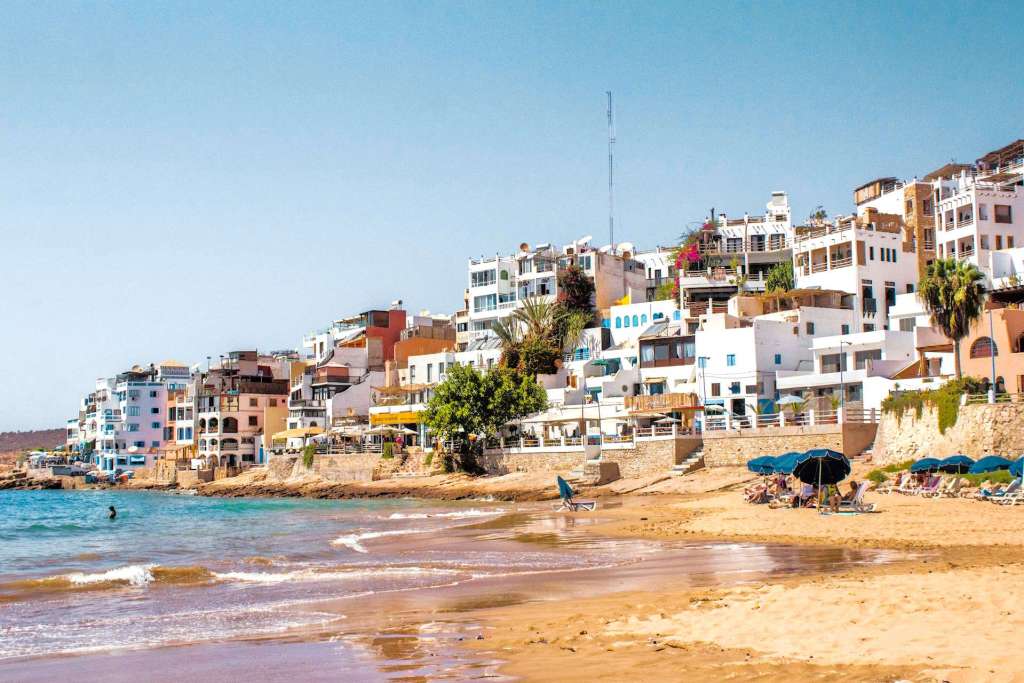
Once you arrive, settle into your beachfront hotel or guesthouse. Whether you’re staying in Agadir (a larger, more developed city with a wide promenade) or Taghazout (a smaller, quieter village with a surf town feel), both offer stunning views of the Atlantic Ocean.
Travel Tip
If you’re not sure where to stay, base yourself in Agadir. You can easily take a taxi to Taghazout for a day trip.
Day 13-14: Agadir/Taghazout
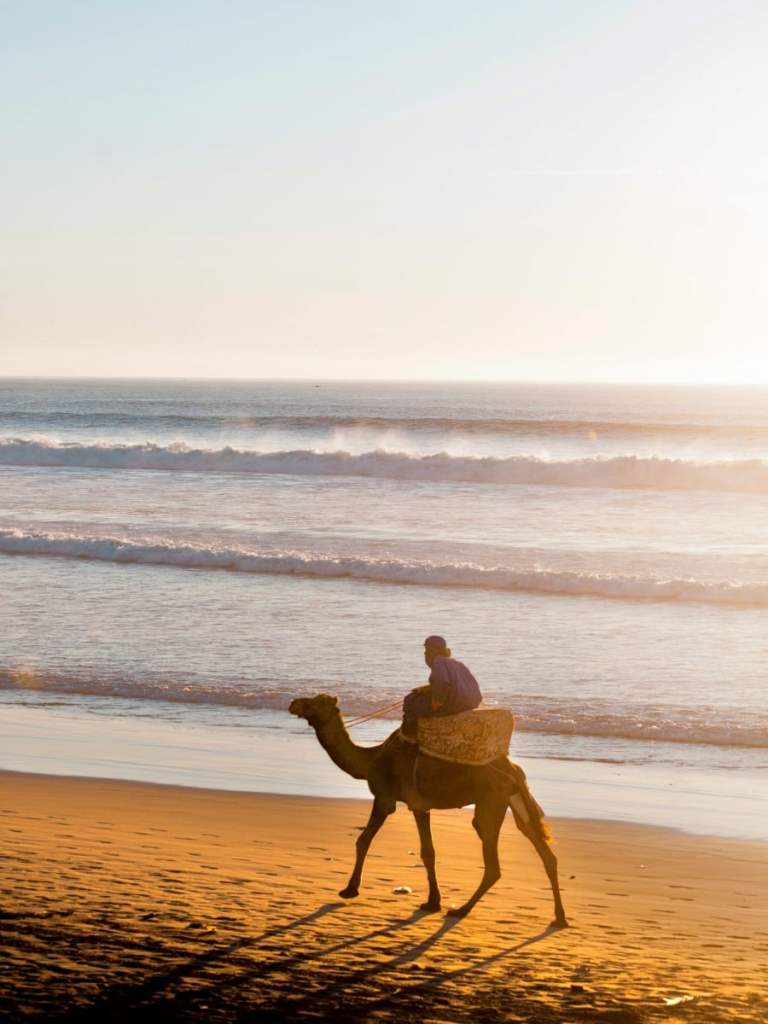
After the excitement of Morocco’s cities, you’ve arrived at the coast, where you can spend the next couple of days soaking up the sun, relaxing, or diving into the laid-back surf culture.
Start your day in one of Morocco’s best beach destinations. Agadir’s stretch of sand is perfect for lounging, while Taghazout is all about surfing. If that’s not your thing, simply relax on the beach, read a book, or take a dip in the sea. The coast here is perfect for taking things slow and unwinding.
If you’re feeling like some relaxation beyond the beach, treat yourself to a traditional Moroccan hammam (spa). Many places offer the full experience, with a steam bath, scrub, and massage to refresh your body after days of travel. We’ll warn you – it’s intense.
If you want a break from the beach, take a half-day trip to Paradise Valley, located about half an hour from Taghazout. This scenic oasis is a haven of natural pools and waterfalls surrounded by palm trees and rugged mountains. It’s perfect for a quick hike or a refreshing dip in the cool waters.
Morocco Trip Costs
Transport
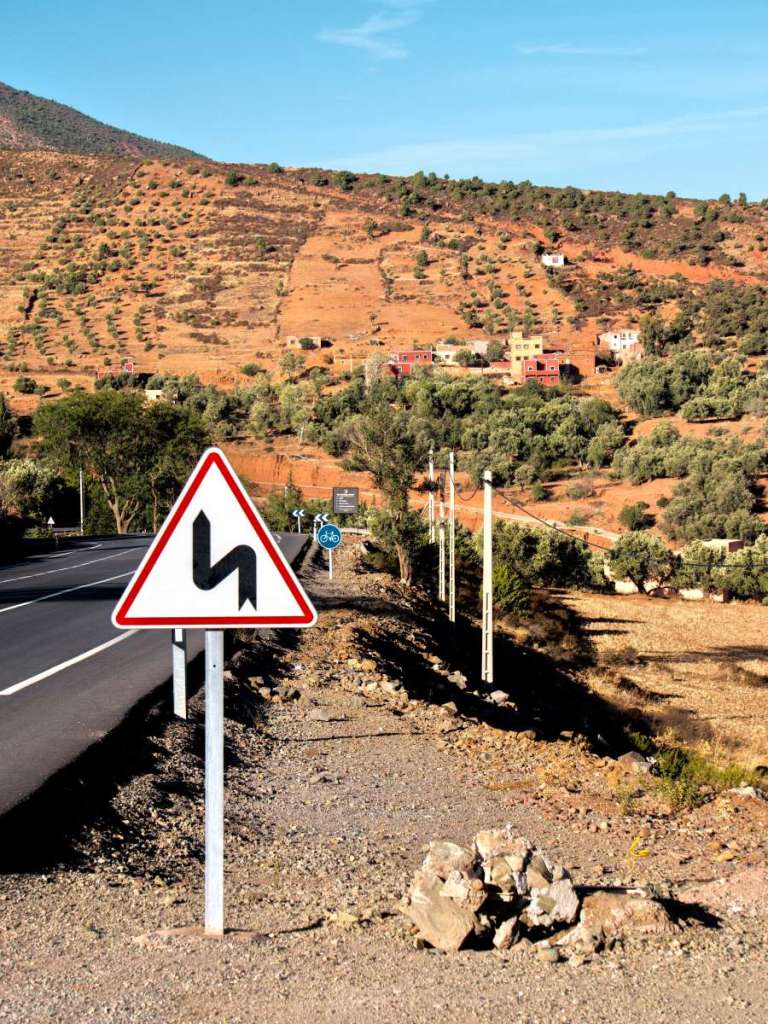
In Morocco, taxis are a popular and convenient way to get around, especially in cities. There are two types of taxis you’ll encounter: grand taxis (6+ people) and petit taxis (smaller).
Both offer an affordable way to travel, but there are a few things to keep in mind when using them. Petit taxis are used mainly within the city – you might find that the taxi driver waits to fill up the vehicle if travelling a further distance. Fares tend to start at 7 MAD during the day and 10 MAD at night.
Travel Tip
When taking petit taxis, ask your driver to turn the meter on or agree on a price in advance. If they refuse, thank them politely and find another taxi. Grand taxis generally have a set price for specific routes, especially for trips outside the city.
Accommodation
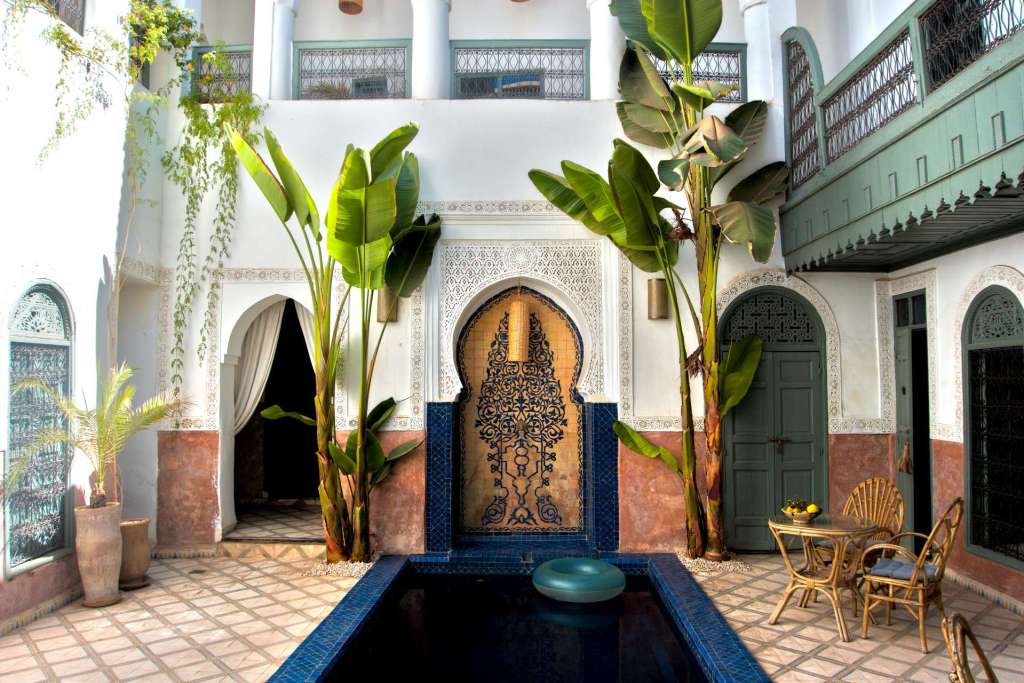
Morocco offers a wide variety of accommodation options to suit every type of traveller, whether you’re looking for luxury, a traditional experience, or something in between.
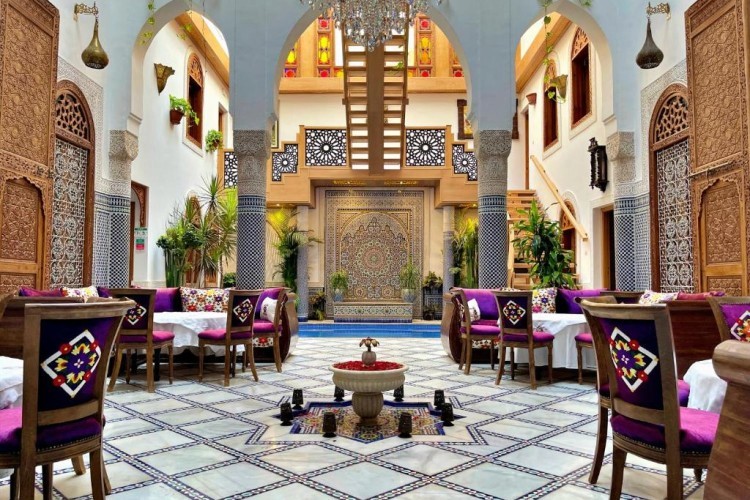
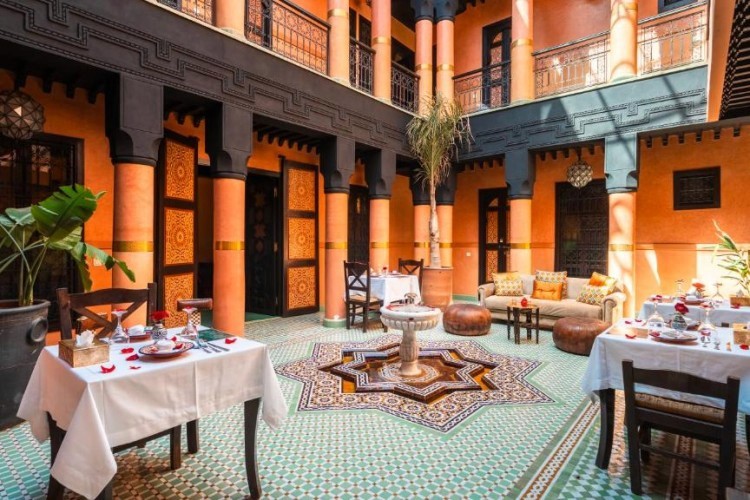
We recommend staying in a riad. These are traditional Moroccan houses or palaces with an inner courtyard or garden, often converted into boutique hotels or guesthouses. Riads are typically located within the medina (the historic old towns) of cities like Marrakech, Fez, and Chefchaouen.
Tours
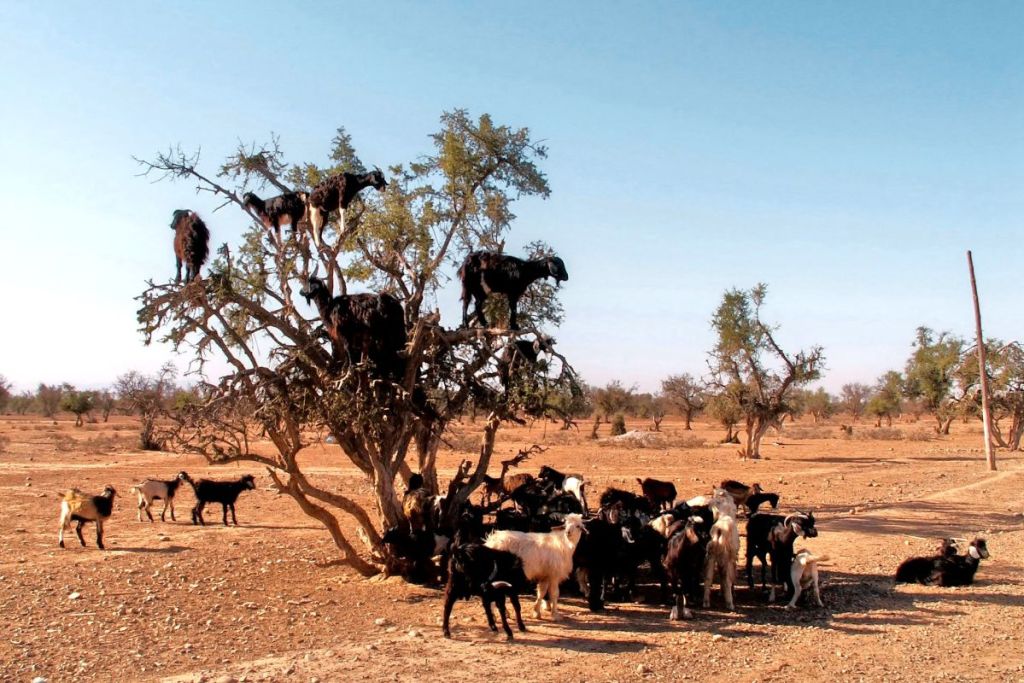
If you’re staying in a major city like Marrakech, Casablanca, or Fes, you’ll find plenty of day tours and excursions that take you out into the surrounding areas. Popular tours include trips to Ourika Valley, Ouzoud Waterfalls, or the coastal town of Essaouira.
Tours are relatively inexpensive, with most day trips from Marrakech costing less than USD 25. Most tours outside the city include a quick pit stop at an argan oil cooperative. Argan oil is one of Morocco’s most famous exports, celebrated for its many uses in cosmetics and cooking.
Food
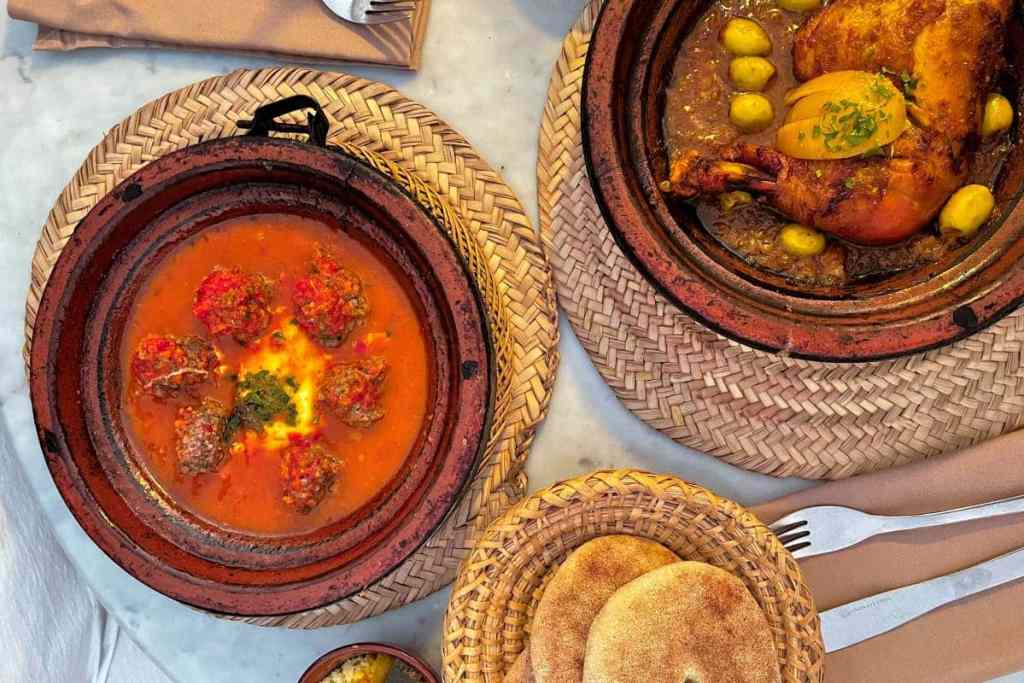
While Western food can be a bit pricier (approx $10 per meal), local Moroccan cuisine is not only delicious but also incredibly affordable (<$5 per meal). Most hotels and riads include a traditional Moroccan breakfast – these are huge (and absolutely delish), so expect to be full for most of the day.
Best Time to Visit Morocco
Morocco is a year-round destination, but the ideal time to visit depends on the type of adventure you’re looking for. If you want to avoid extreme heat, large crowds, and high prices, aim for April to May or September to October.
Ramadan, the Islamic holy month of fasting, changes every year based on the lunar calendar. During this time, many restaurants and cafes are closed during the day, and daily life slows down. However, come sunset, the streets come alive with night markets, feasts, and celebrations. While it’s still possible to travel, expect some adjustments, especially in smaller towns.
