
Snorkelling the Great Barrier Reef, Australia: Our Experience + Top Tips
The Great Barrier Reef, Australia’s most iconic natural wonder and a destination that tops countless bucket lists. Read about our experience and discover essential tips for snorkelling in this ocean paradise.
Stretching over 2,300 kilometres along Australia’s northeastern coast, the Great Barrier Reef houses a vibrant coral ecosystem and an extraordinary diversity of marine life. Whether you’re snorkelling, scuba diving, or just taking in the views from a helicopter, the reef offers something magical for every type of traveller.
Our visit to this blue wonderland was nothing short of unforgettable. Our trip was filled with incredible sights and thrilling experiences. From navigating choppy waters to swimming alongside Wally, the famous fish, this is what it’s like to explore one of nature’s greatest masterpieces.
Visiting the Great Barrier Reef: Our Experience
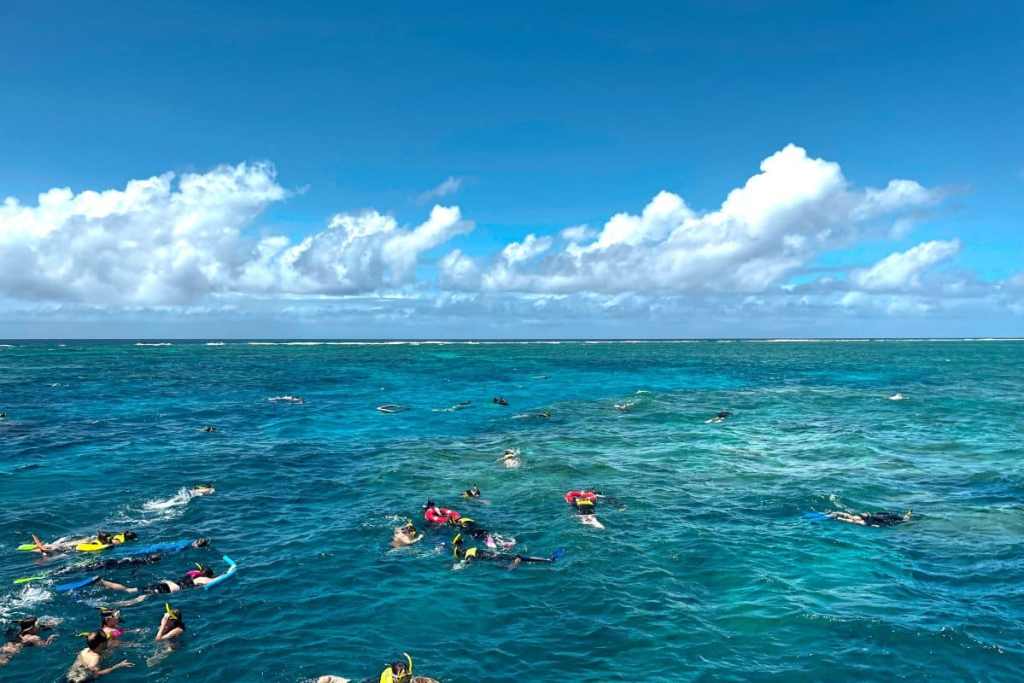
We opted for a day tour of the Great Barrier Reef with two diving locations and lunch included (more on that later). Our adventure began early at the bustling Cairns Marlin Marina (Reef Fleet Terminal), where we checked in and filled out the necessary forms. Then it was time to board our boat and, before long, we set off on the two-hour journey to Hastings Reef.
The boat ride offered stunning views of the azure waters stretching out to the horizon, but seasickness hit us hard. And we weren’t the only ones – so take our advice and pack some seasickness tablets. Luckily, the boat had an emergency supply available (for a couple of dollars each).
Travel Tip
If you struggle with seasickness, make sure you head to the back of the boat and stay focused on the horizon. While this won’t completely cure you, this can help alleviate nausea.
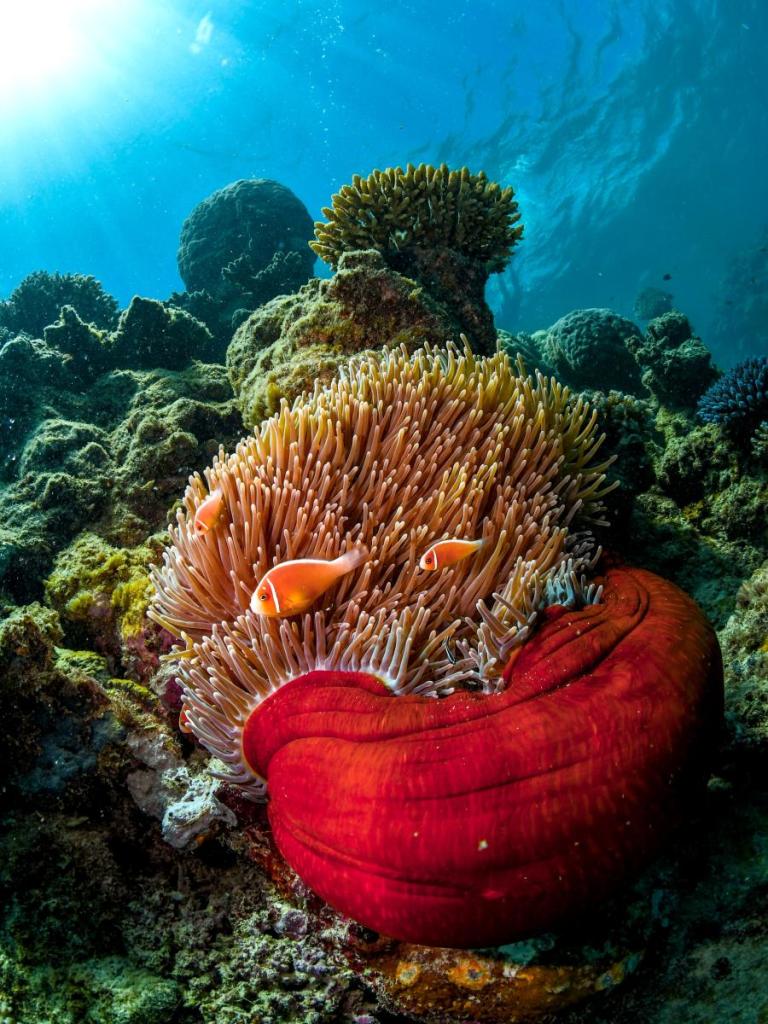
Once we felt a little bit better, we had our first snorkelling session. We headed to the back of the boat where we were provided with wetsuits and all the necessary gear before diving in.
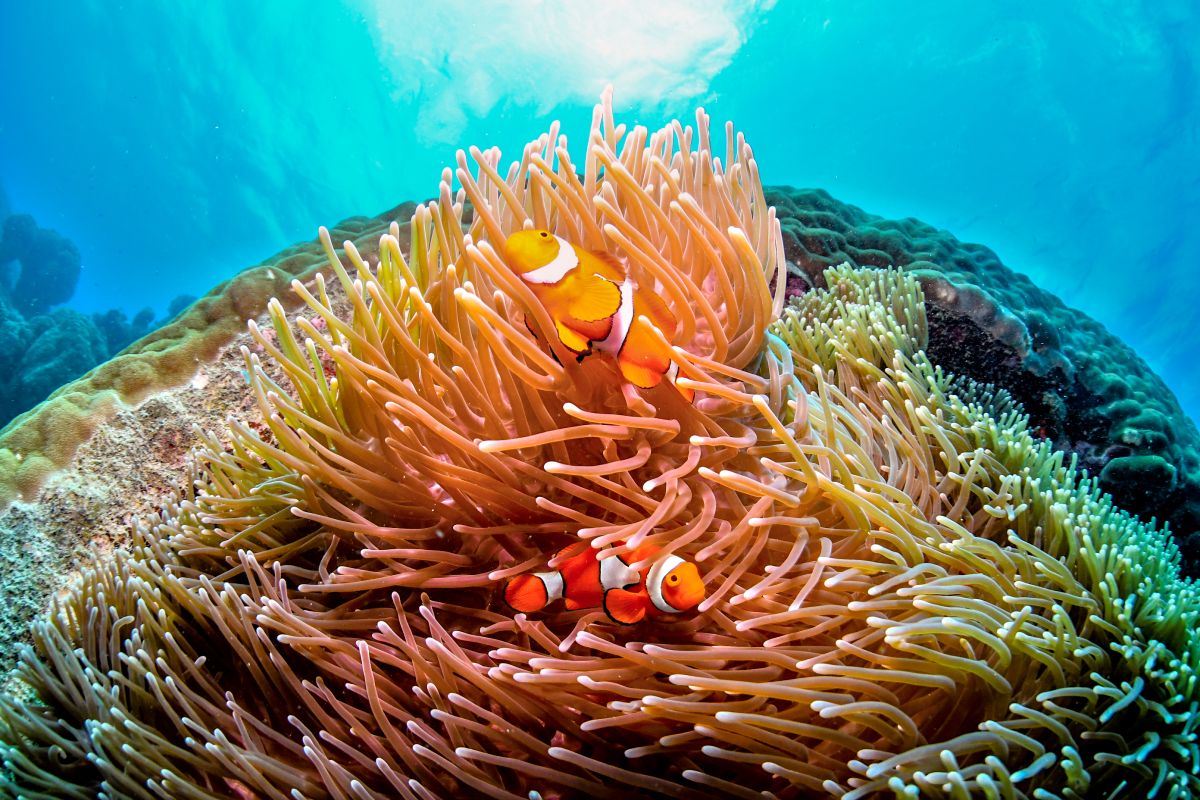
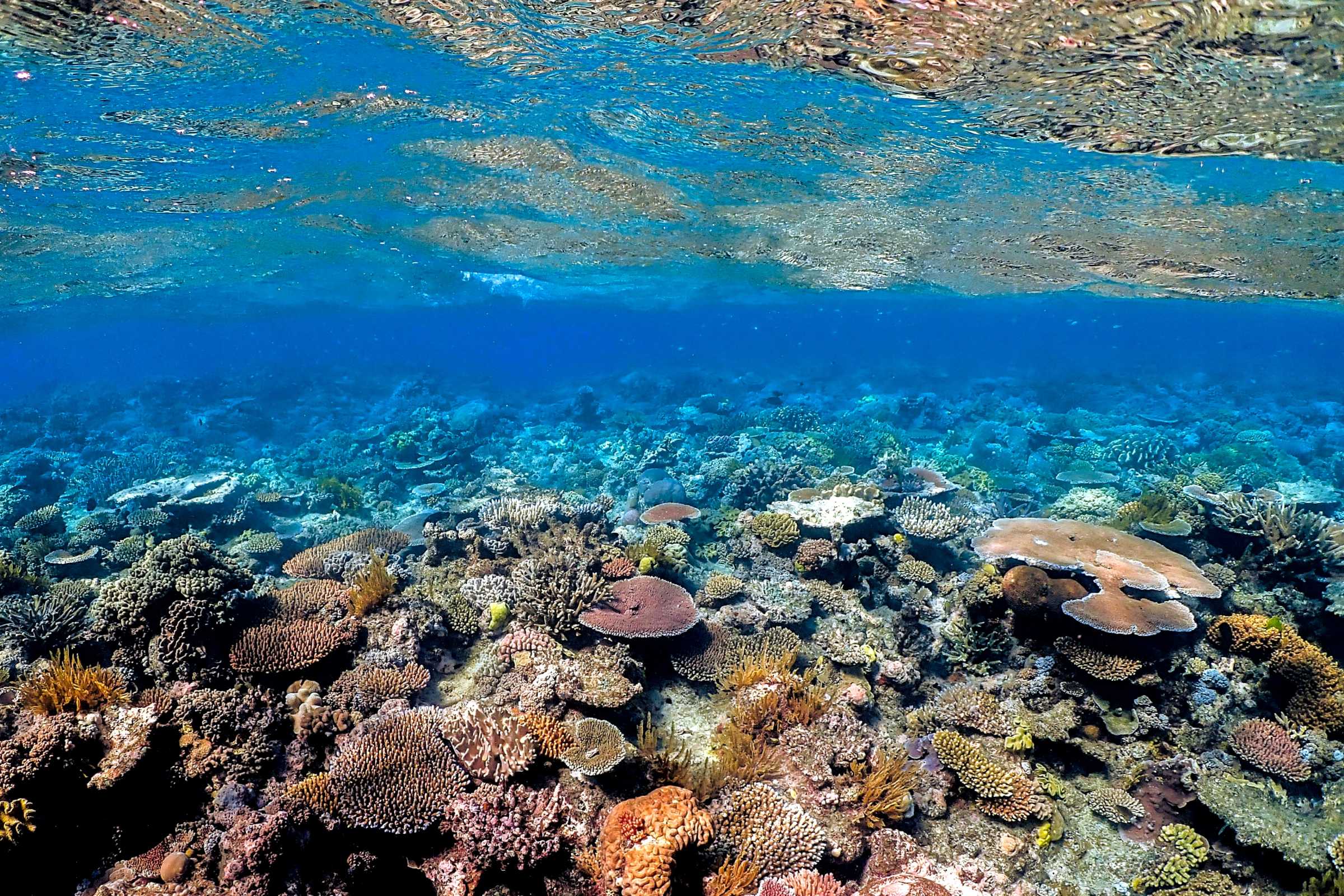
We’ve been lucky to snorkel in multiple destinations around the world – but this was unlike any other snorkelling we’ve done. The water was teeming with fish and the coral looked vibrant (a stark comparison to some of the snorkelling spots in Thailand and Bali).
When you’re under the water, keep an eye out for Wally. He’s a local celebrity around Hastings Reef – a massive, friendly fish who might just swim by for a close encounter.
For those looking to dive deeper into the reef (literally), scuba diving is available, though you’ll need to book in advance. There’s also the option for a helicopter ride over the Great Barrier Reef after your first snorkelling session.
Afterwards, it was time for lunch. We refuelled with a hearty meal of steak, pasta, and veggies, freshly grilled by the staff. It was pretty tasty and hit the spot after a swim.
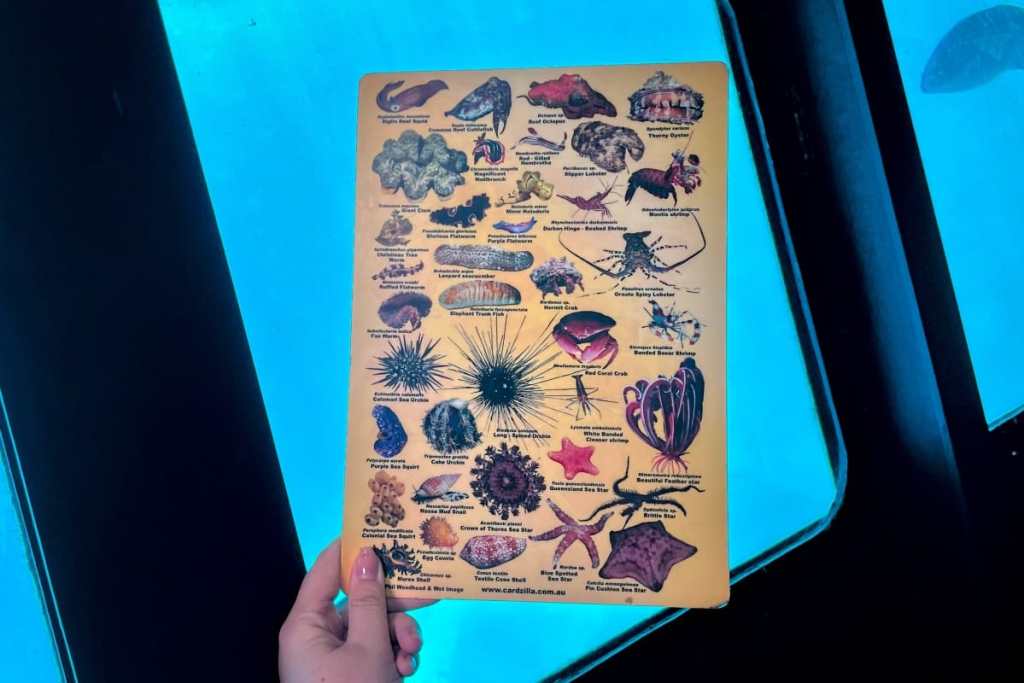
Once lunch was devoured, we headed to a second location where we could have another snorkelling session. Instead, we decided to head on a submarine ride (for an extra $10 per person), which offered an intimate glimpse into the diverse marine life below. With the help of a marine biologist, we spotted more sea life and learned about the methods being used to protect the coral reef.
As late afternoon stretched into evening, the boat took us back to Cairns marina where we disembarked.
Travel Tip
Book any add-ons, like the helicopter or submarine tour, in advance to ensure your spot. Make sure you bring some extra cash for extras like bottled drinks, seasickness tablets, and snacks.
How to Get to the Great Barrier Reef
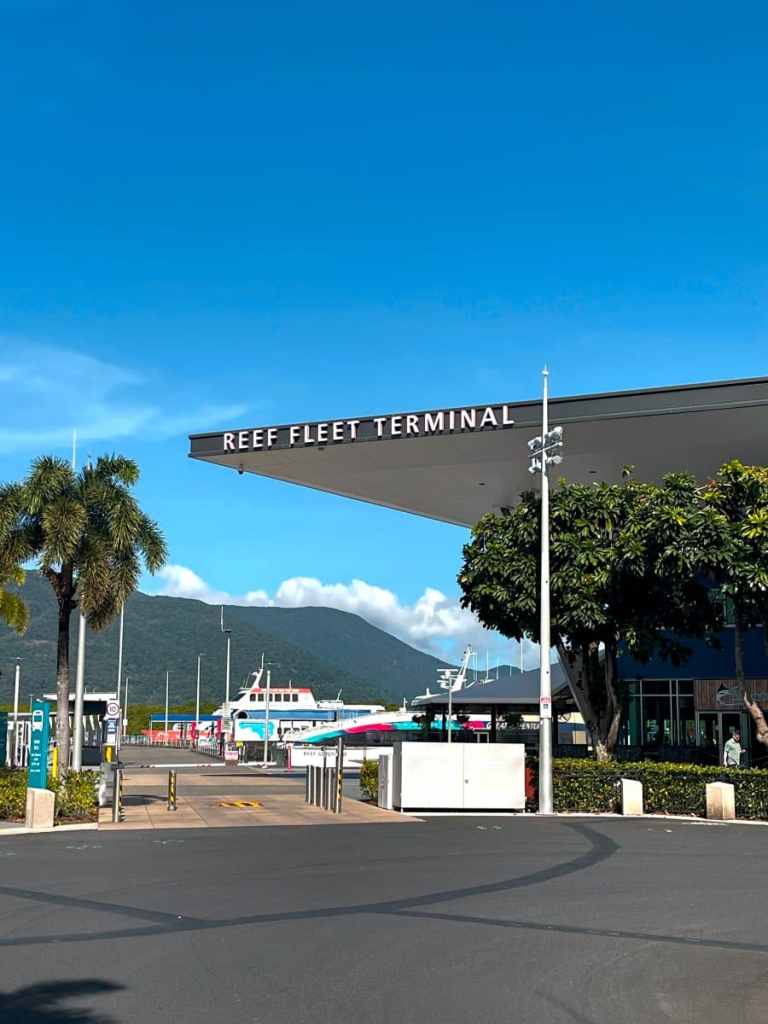
We found getting to the Great Barrier Reef straightforward; most tours depart from Cairns Marlin Marina early in the morning. If you’re staying in central Cairns this will be within walking distance, but you can also book an Uber if you’re further out. After travelling for around 1-2 hours by boat, you’ll arrive at designated reef sites.
Best Great Barrier Reef Tours
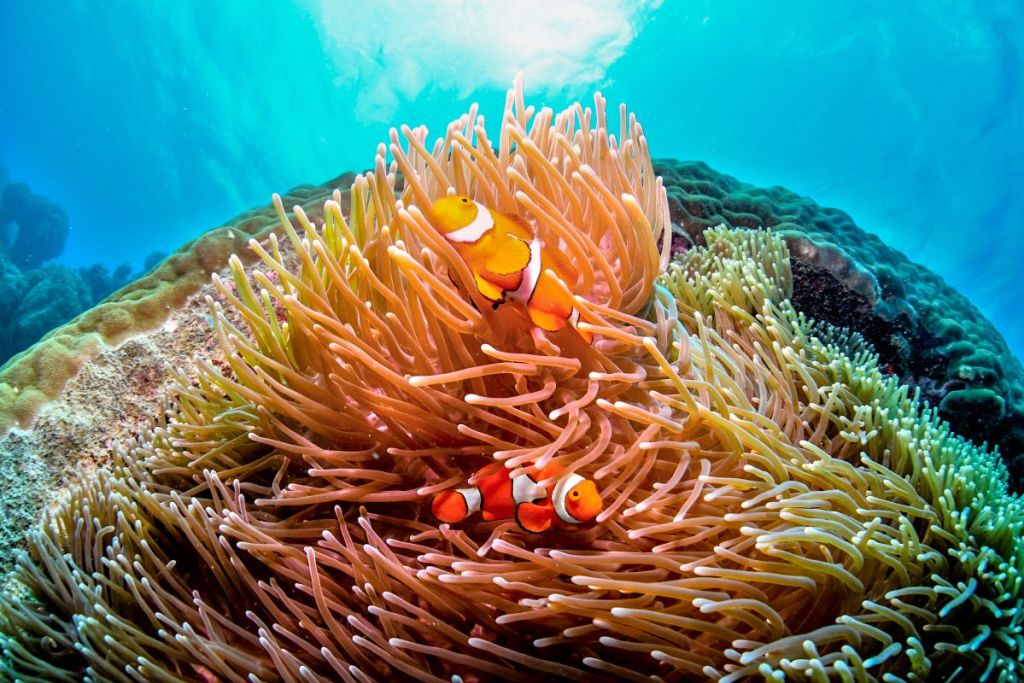
Taking a tour is really the best way to explore the Great Barrier Reef. We opted for the Billy Tea Safari package which consisted of one day on the water and also included a day trip to Daintree National Park and Cape Tribulation. We couldn’t recommend this company more – the tour was so fun and the staff were incredibly friendly.
Can’t decide? It’s possible to just book a single-day tour in this area, or you can skip the boat (and snorkelling) and choose an epic flight over the ocean instead.
Where to Stay in Cairns
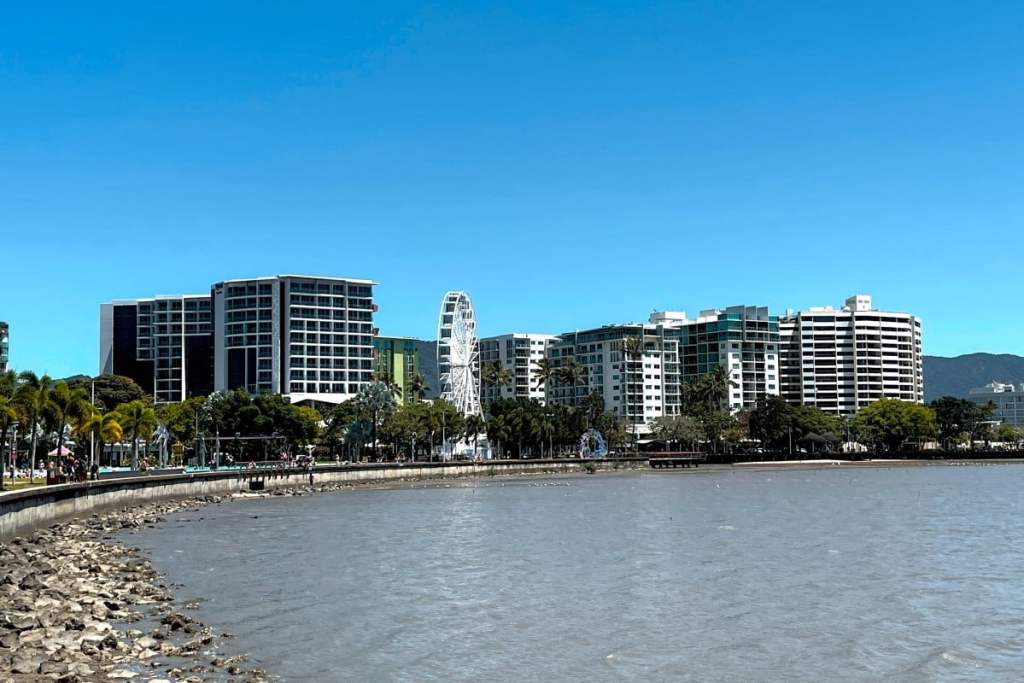
If you’re taking a trip to the Great Barrier Reef, we recommend staying in central Cairns. Not only is there plenty to see and do here, but you’ll be extremely close to the marina where boat tours depart.
You could also opt to stay in Airlie Beach (AKA the gateway to the Whitsunday Islands, another incredible part of the Great Barrier Reef). Many travellers also choose to bed down in Port Douglas. About an hour north of Cairns, this smaller town also offers reef tours and is a quieter alternative with easy access to the Low Isles and outer reef sites.
What to Know Before You Go
What to Bring With You
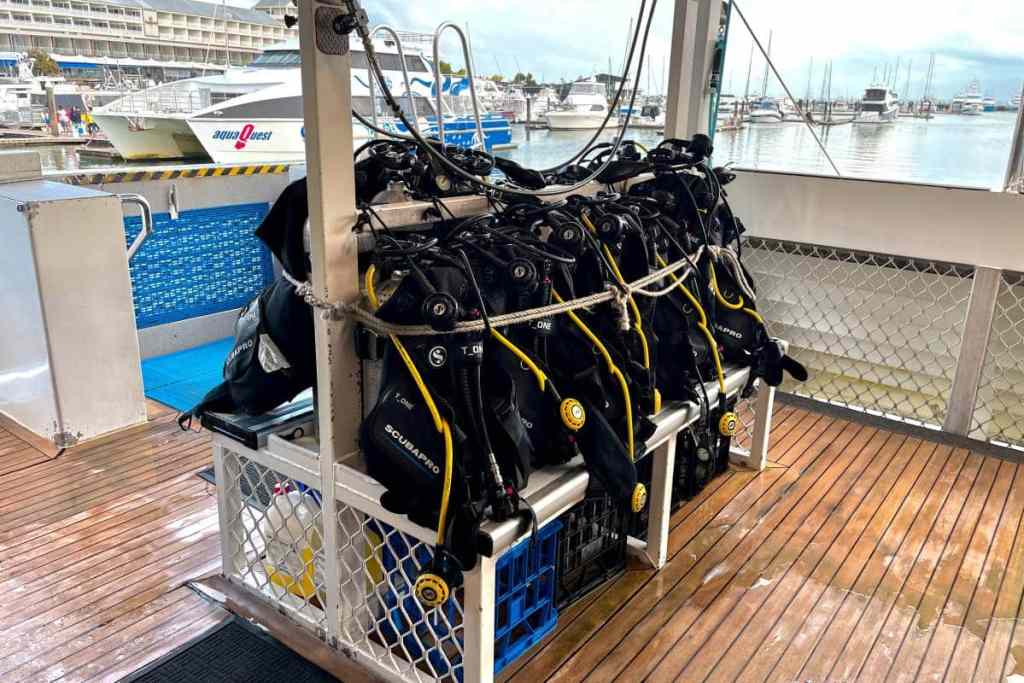
While any snorkelling equipment will be provided by your tour guide, it’s essential to come prepared for the Great Barrier Reef. Bring seasickness tablets (even if you don’t usually feel nauseous) and use reef-safe sunscreen.
Pack your swimsuit and a quick-dry towel for when you’re done snorkelling. Remember to stay hydrated, especially under the hot Australian sun. You should bring a reusable water bottle to cut down on plastic waste.
Is the Great Barrier Reef Dead?
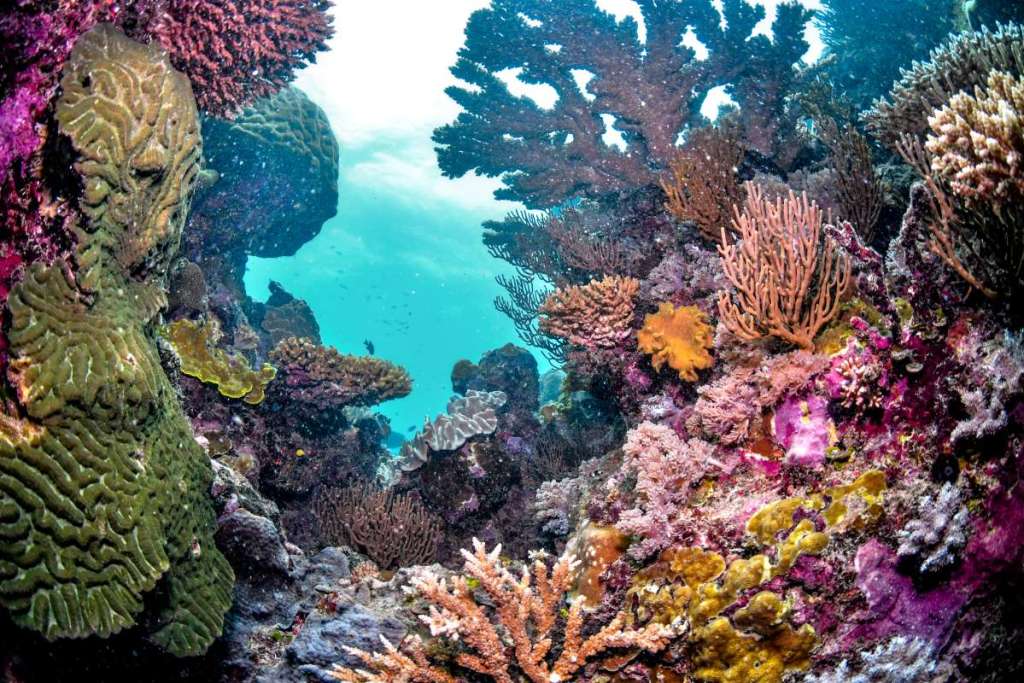
This is a valid question – and something we wondered before our trip. The Great Barrier Reef is not dead, but it is under serious threat due to environmental pressures. Climate change, particularly ocean warming, has caused coral bleaching. If this continues, the coral can die.
Mass coral bleaching events, particularly the one in 2016, affected large portions of the reef, leading to significant degradation. We learnt more about this during our submarine excursion with the marine biologist. Restoration efforts are vital to preserving this natural wonder.
When’s the Best Time of Year to Visit the Great Barrier Reef?
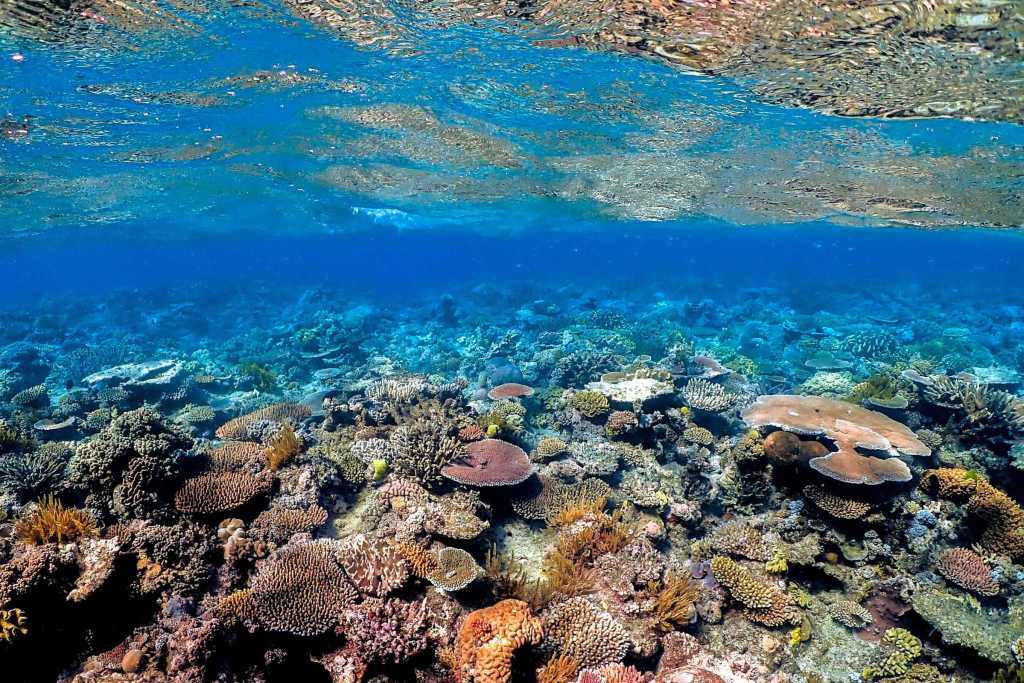
The best time for snorkelling in the Great Barrier Reef is during the dry season, from June to October. During this period, you’ll experience cooler, more comfortable temperatures, calm seas, and excellent underwater visibility.
Stinger season (when box jellyfish and Irukandji jellyfish are prevalent in the water) runs between November and May. These jellyfish can deliver dangerous stings, but you can wear a stinger suit for protection. Despite the stingers, this season can still offer great snorkelling, with warm water temperatures and fewer tourists.
Travel Tip
Most tour operators provide stinger suits during stinger season to ensure you can safely enjoy the reef, but it’s important to double-check in advance.
